Cyperus dubius
Cyperus dubius
Description
Cyperus dubius is a perennial herbaceous plant belonging to the Cyperaceae family. In agricultural and botanical circles, this species is recognized for its resilience and ability to thrive in wetland environments, making it a significant plant within its native habitat range.
The plant originates from tropical and subtropical regions, spanning across various parts of Africa and Asia. It is primarily found in marshy areas, riverbanks, and agricultural plots with high moisture content. Its presence in these regions is often indicative of high soil fertility and specific hydrological conditions that favor sedge growth.
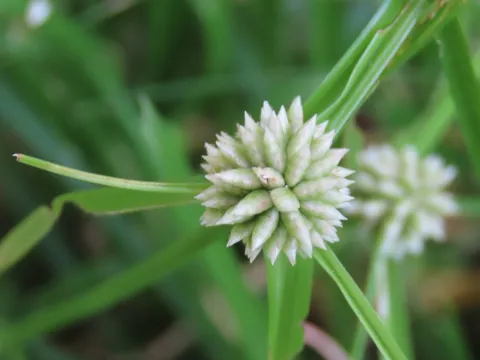
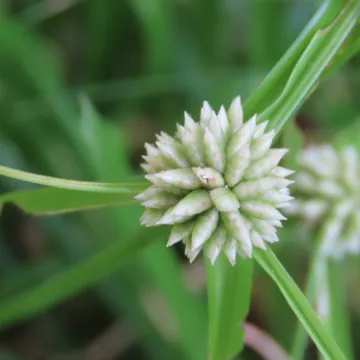
Botanically, Cyperus dubius is characterized by its triangular stems and narrow, grass-like leaves that originate from the base. A key identifying feature is its dense, head-like inflorescence, which distinguishes it from other species within the Cyperus genus. The root system is often fibrous and equipped with specialized structures that support its survival in water-logged soils.
Cultivation requirements for this crop focus heavily on moisture management. It thrives in soils with high water retention capacity and requires consistent sunlight for optimal development.
- Maintain high soil moisture levels
- Ensure adequate solar exposure
- Implement organic soil enrichment
- Control weed competition during early growth stages
The economic value of this plant includes its role as a supplementary fodder source in livestock farming and its application in preventing soil erosion in wetlands. Regarding pathology, the plant is generally robust, though it may be susceptible to fungal diseases and root rot if soil drainage is completely absent, necessitating balanced water management to ensure healthy yields.
Photo gallery