Cyperus haspan
Cyperus haspan
Description
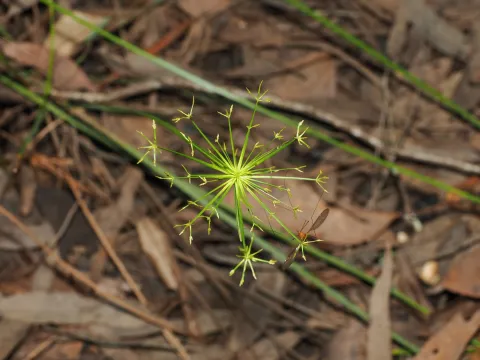
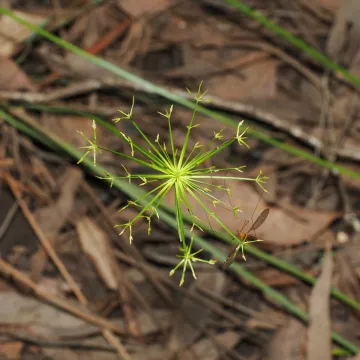
Cyperus haspan is a perennial herbaceous plant belonging to the Cyperaceae family. Often referred to as a dwarf papyrus, it features elegant, umbrella-like inflorescences atop smooth, triangular stems. This plant is highly regarded in water gardening and landscaping for its ability to provide structural beauty and a natural look to the margins of ponds and water features.
The native range of this species extends across the tropical and subtropical regions of Africa, Asia, Australia, and the Americas. It naturally thrives in wetland habitats, including riverbanks, marshes, and periodically flooded areas. Due to its adaptation to high-moisture environments, it has become a popular choice for aquatic garden cultivation in climates that mimic its natural warm, humid conditions.
Botanically, Cyperus haspan is characterized by its slender, leafy stems that terminate in clusters of spikelets. Its root system consists of rhizomes that facilitate rapid growth and colony formation in favorable conditions. Depending on the environment, the plant typically reaches a height of 20 to 60 centimeters, making it an ideal choice for both small containers and large-scale wetland restoration projects.
Agricultural and gardening requirements focus on maintaining high moisture levels. The plant is heliophilic, meaning it requires full sun to partial shade for optimal development. Soil should be consistently saturated or submerged; a nutrient-rich, loamy or clay-based substrate is best to support its vigorous root system. During colder months, the plant must be protected from frost to ensure survival.
- Watering: Continuous saturation is necessary; never let the root zone dry out.
- Lighting: Requires bright, indirect sunlight to prevent leggy growth.
- Propagation: Can be easily multiplied via root division during the spring growing season.
- Maintenance: Regular pruning of yellowed or decayed stems helps maintain vigor and water clarity.
The хозяйственное (economic) utility of Cyperus haspan lies in its environmental role as a biofilter. By absorbing excess nutrients such as nitrates and phosphates from aquatic environments, it plays a critical part in maintaining water quality in artificial ponds. Furthermore, it is a staple in ornamental horticulture, valued for its unique texture and ease of care in controlled aquatic settings.
Photo gallery