Cyperus hyalinus
Cyperus hyalinus
Description
Cyperus hyalinus is a herbaceous perennial plant belonging to the Cyperaceae family. In agricultural and botanical studies, this species is recognized for its adaptive properties, particularly in tropical environments where it serves as part of the local ecosystem's forage and ground-cover diversity.
The plant originates from tropical regions, primarily within the African continent. Its natural habitat consists of riverbanks, wetlands, and other moist areas where the species can thrive under fluctuating water levels. Its distribution is largely dictated by soil moisture availability and regional climatic patterns.
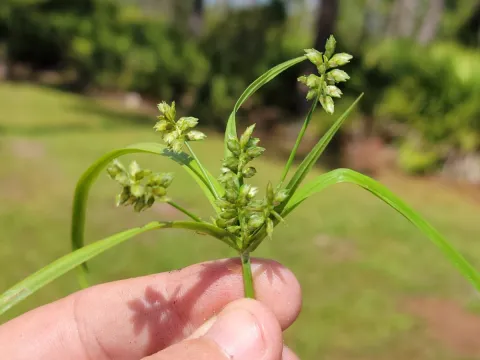
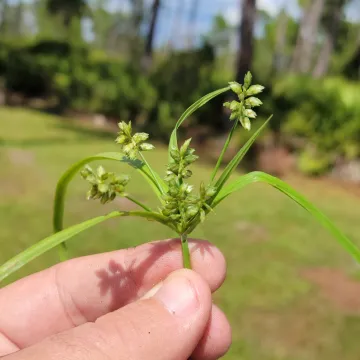
Botanically, Cyperus hyalinus is characterized by a rhizomatous root system, slender linear leaves, and specific inflorescences consisting of spikes with transparent, hyaline edges on the glumes. These features are critical for taxonomic identification and reflect the plant's structural adaptation to its environmental niche.
Cultivation requirements involve maintaining adequate soil moisture levels, as the plant prefers sandy to loamy soils with good structural integrity. Proper agronomic management includes monitoring soil pH, which should ideally be within a neutral range, and ensuring sufficient sunlight exposure for optimal photosynthetic efficiency during the growing season.
Economic and agricultural utility of this species includes:
- Utilizing the plant as supplementary forage for livestock in pasture-based systems.
- Employment in soil erosion control programs on riverbanks and sandy slopes.
- Functioning as a biological indicator for wetland health.
- Assessing the plant for potential use in sustainable landscaping projects.
Common pests and diseases affecting Cyperus hyalinus typically include fungal pathogens, such as leaf spot, which may occur in high-humidity environments, and various types of aphids or lepidopteran larvae that target the tender green tissue of the stalks and leaves, requiring integrated pest management strategies.
Photo gallery