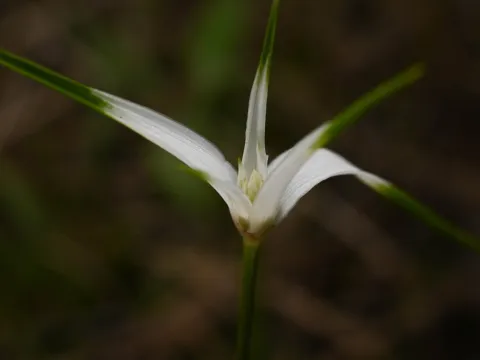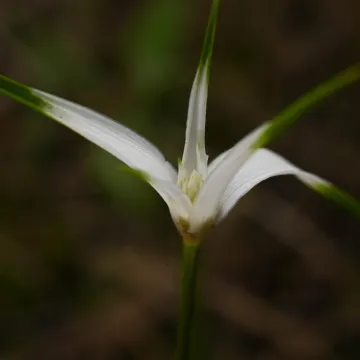
Kyllinga brevifolia
Cyperus kyllingia
Description
Cyperus kyllingia (synonym: Kyllinga brevifolia) is a perennial sedge belonging to the family Cyperaceae. In agricultural settings, it is widely recognized as a tenacious weed, capable of colonizing large areas of cropland, lawns, and pastureland, thereby reducing the yields of primary cultivated crops.
Originating in the tropical and subtropical regions of the world, this species has successfully naturalized across most warm-temperate and tropical areas globally. Its distribution is closely linked to its ability to thrive in moist environments, ranging from paddy fields to disturbed soil surfaces and moist grasslands.
The botanical structure of the plant is defined by its creeping rhizomes, which allow it to spread rapidly through the soil, forming dense, matted patches. The stems are triangular and erect, typically reaching heights between 10 to 40 centimeters. The most notable feature is its inflorescence, which consists of a dense, white, globose spikelet cluster.
Regarding its ecological requirements, the species favors high moisture levels and full sun exposure. It is highly adaptable to various soil types but demonstrates a clear preference for damp, fertile substrates. Agronomic management involves integrated pest management strategies, as its subterranean rhizomes are highly resilient to standard mowing or superficial cultivation.
Economic impact is primarily negative due to competition for water, light, and nutrients. While some regions investigate its use as a medicinal herb or forage, the primary agricultural objective is suppression. Management typically involves:
- Systemic herbicide application.
- Thorough mechanical removal of rhizome networks.
- Crop rotation to break the weed's life cycle.
- Soil drainage improvements to reduce favorable conditions.
Photo gallery