Smooth flatsedge
Cyperus laevigatus
Description
Smooth flatsedge (Cyperus laevigatus) is a perennial herbaceous plant belonging to the Sedge family (Cyperaceae). This species is widely recognized for its ecological resilience, particularly its ability to thrive in saline and waterlogged habitats that are generally unsuitable for traditional agricultural crops.
The plant has a cosmopolitan distribution across tropical and subtropical regions worldwide, extending into some temperate areas. It is naturally found in wetlands, tidal marshes, riverbanks, and saline coastal dunes. Its adaptability to varying degrees of salinity makes it a significant component of coastal ecosystems and reclaimed land areas.
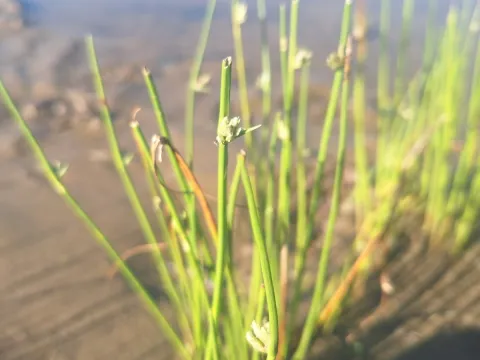
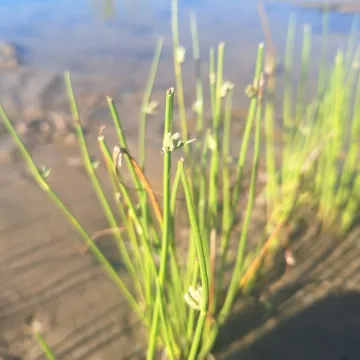
Botanically, Cyperus laevigatus is characterized by a creeping rhizome system that allows it to form dense colonies. The stems are typically smooth, slender, and reach heights of 30 to 80 centimeters. The inflorescences consist of clustered spikelets, which can appear lateral due to the long bracts. Its structural density makes it an effective ground cover for erosion control.
From an agrotechnical perspective, smooth flatsedge requires minimal cultivation inputs but thrives best in saturated, nutrient-rich soils. It can propagate effectively through rhizome division, which is the preferred method for establishing new stands. The plant is highly effective in phytoremediation, specifically for managing soil salinity and stabilizing shorelines against water erosion.
The economic utility of the plant includes its traditional use in weaving mats, baskets, and other artisanal goods in various regions. Additionally, it serves as a source of rough forage in saline pastures. The crop is notably resistant to most common agricultural pests, though it may be susceptible to localized fungal issues under stagnant water conditions, necessitating proper water management strategies.
Photo gallery