Cyperus laxus
Cyperus laxus
Description
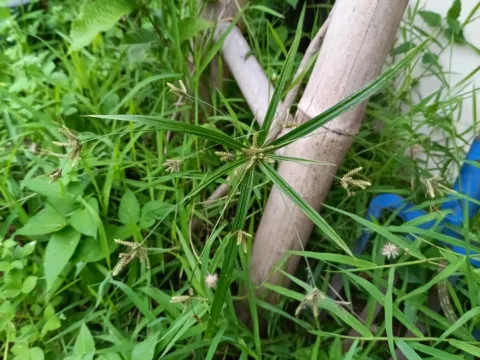
Cyperus laxus is a perennial herbaceous plant belonging to the Cyperaceae family. Often referred to simply as a sedge, this species is noted for its distinctive, loose inflorescences that differentiate it from more common members of the genus. While many Cyperus species are considered weeds, Cyperus laxus holds value in specialized horticulture and native environmental management.
The origin of this species is traced to the tropical regions of Central and South America. It is typically found in humid environments such as riparian zones, marshes, and the understory of tropical forests. Because it is highly adapted to humid, frost-free climates, its cultivation is strictly limited to greenhouse environments or tropical zones where temperatures remain consistent throughout the year.
Botanically, Cyperus laxus is characterized by its triangular stems and basal leaves. The inflorescence consists of a loose umbel, which gives the plant its elegant, airy appearance. The root system is robust and fibrous, allowing the plant to colonize saturated soils efficiently. This adaptation to wet conditions makes it an excellent candidate for aquatic and semi-aquatic garden installations.
In terms of cultivation, the plant requires high levels of moisture and moderate, filtered light. It thrives in nutrient-rich, organic-based soils. Unlike desert plants, Cyperus laxus cannot tolerate drought; keeping the soil consistently damp is the most critical aspect of its care. It prefers temperatures between 20°C and 30°C and does not survive exposure to frost.
The primary use of this plant is decorative, often planted near ponds or in containers that can be kept submerged in shallow water. It is susceptible to pests such as aphids and spider mites, particularly when grown indoors in dry air. Proper air circulation and consistent water management are essential for preventing root rot and maintaining the plant's health in a controlled growing environment.
Photo gallery