Cyperus ligularis
Cyperus ligularis
Description
Cyperus ligularis is a perennial herb belonging to the Cyperaceae family. It is a resilient species often recognized for its role in coastal and wetland ecosystems. In agricultural terms, it is considered a valuable plant for land reclamation and as a source of biomass in tropical regions where soil conditions are challenging for conventional crops.
The plant originates from the tropical zones of Africa and the Americas. It is commonly found in maritime environments, including sandy beaches and wetlands. Its natural ability to thrive in saline environments makes it a unique candidate for specific agricultural projects focused on the restoration of degraded coastal lands.
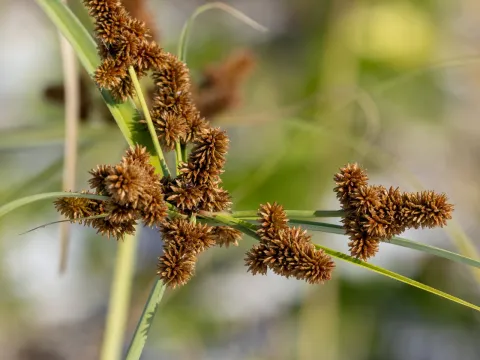
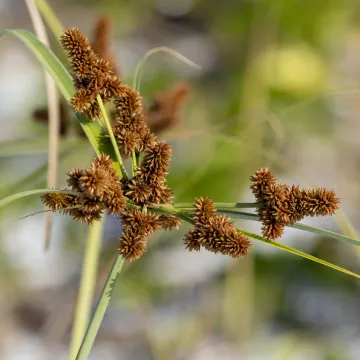
Botanically, this species is characterized by its robust, tufted growth habit and stiff, upright stems that can reach heights of up to one meter. The leaves are narrow and linear, while the inflorescences consist of dense, head-like clusters of spikelets. These clusters are highly efficient at producing seeds, which facilitates the plant's spread in its native habitat.
Cultivation requirements for Cyperus ligularis prioritize full sun exposure and well-drained, sandy or loamy soils. Although the plant is hardy and adapted to high-moisture environments, it performs best when irrigation management ensures that the root zone remains moist but not waterlogged for extended periods. It is relatively low-maintenance once established, requiring minimal fertilization.
The economic and agricultural utility of this species includes preventing soil erosion in sensitive coastal areas and providing material for organic mulching. It is also being studied for its potential in phytoremediation, specifically in cleaning up saline soils. Common threats include root-rot pathogens in poorly drained conditions and infestations by specific leaf-eating beetles, which should be monitored to ensure healthy development.
Photo gallery