Cyperus microiria
Cyperus microiria
Description
Cyperus microiria is an annual herbaceous plant belonging to the Cyperaceae family. In the field of agronomy, it is often categorized as a wetland species that can significantly impact the productivity of crops in humid regions due to its aggressive growth patterns and high ecological adaptability.
The plant originates from East Asia and has a broad distribution across diverse habitats, ranging from riverbanks to cultivated fields. Its ability to tolerate saturated soils makes it a dominant species in agro-ecosystems where irrigation management is intensive, such as rice paddy cultivation systems.
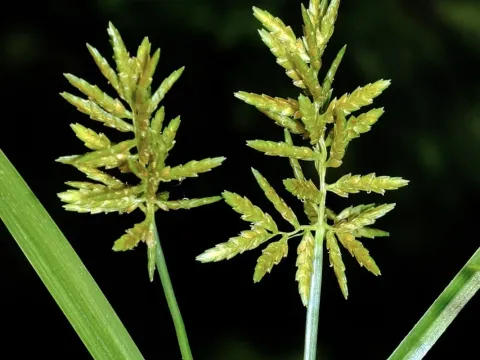
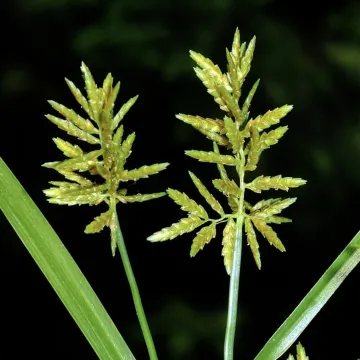
Botanically, the species is defined by its triangular stems and narrow leaves, typically reaching heights of up to 50 centimeters. The plant produces dense, umbrella-shaped inflorescences comprised of numerous spikelets, which facilitate prolific seed production, ensuring successful regeneration of the population each season.
Optimal growth requires fertile, moist soils with high organic matter content. Agronomically, the management of this species involves precise irrigation control and strategic soil preparation.
- Regular mechanical cultivation to disrupt root systems
- Proper water drainage to prevent excessive saturation
- Application of selective herbicides during early growth stages
In terms of agricultural health, the plant is susceptible to various fungal pathogens, particularly in anaerobic soil conditions, which can lead to root and stem rot. Furthermore, pests such as aphids often colonize the inflorescences, necessitating integrated pest management strategies to protect surrounding crops from potential cross-infestation.
Photo gallery