Cyperus mitis
Cyperus mitis
Description
Cyperus mitis is a perennial herbaceous plant belonging to the Cyperaceae family. It is an ecologically significant species adapted to humid environments, often found in marshy areas, riverbanks, and tropical floodplains where typical agricultural crops struggle to survive.
The origin of this species is traced to tropical and subtropical regions. Its natural habitat is characterized by high annual precipitation and consistent water availability. This adaptation allows the plant to thrive in areas that undergo seasonal flooding, making it a robust candidate for cultivation in wet agricultural landscapes.
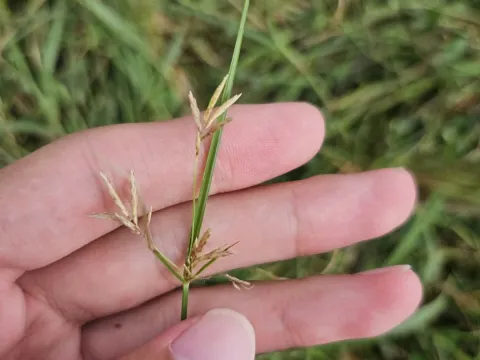
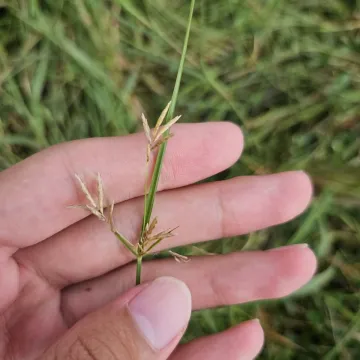
Botanically, Cyperus mitis features the iconic triangular stems typical of the genus, paired with narrow, grass-like leaves. Its root system is fibrous and aggressive, designed to anchor the plant in loose, water-saturated soils. This root structure plays a crucial role in stabilizing riverbanks and preventing soil erosion in sensitive zones.
In terms of agrotechnics, the primary requirement for successful growth is constant soil moisture. Unlike many commercial crops, this species thrives in anaerobic soil conditions. It requires minimal fertilization provided the organic content of the soil is sufficient, though it is responsive to nitrogen supplementation in controlled cultivation scenarios.
The agricultural usage of Cyperus mitis is focused on ecosystem services, including phytoremediation and water purification in agricultural runoff zones. Additionally, in certain regions, it provides biomass that can be utilized for organic mulching or as a forage supplement for livestock, provided the plants are harvested before they reach full maturity.
- High flood tolerance.
- Effective soil stabilization properties.
- Strong potential for phytoremediation.
- Rapid biomass production in wet conditions.
Pests and diseases are primarily associated with stagnant water environments. Root pathogens and various sedge-specific insects can affect plant health if the water quality deteriorates significantly. Maintenance programs should focus on periodic water circulation and site sanitation to ensure optimal development.
Photo gallery