Cyperus mutisii
Cyperus mutisii
Description
Cyperus mutisii is a perennial herbaceous plant belonging to the Cyperaceae family. It is recognized for its ability to form dense, resilient clumps that play a vital role in soil stabilization and maintenance within its native ecosystems, making it a plant of interest in both conservation and agriculture.
The origin and primary distribution range of this species are in the tropical and subtropical regions of Central and South America. It is commonly found in high-altitude meadows and moist, well-drained slopes, where it thrives as a significant component of the local vegetation, showing remarkable adaptability to fluctuating environmental conditions.
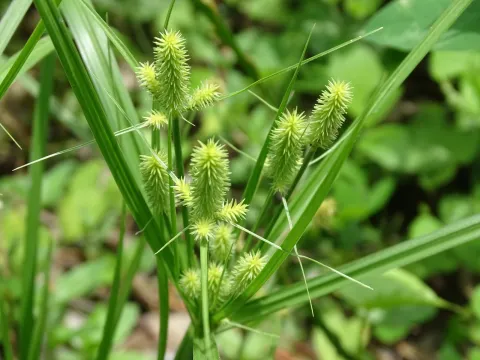
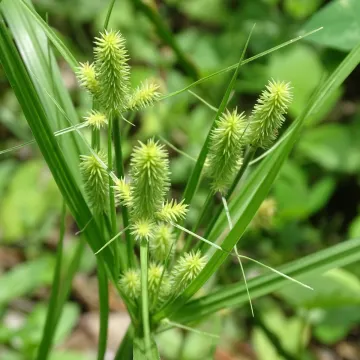
Botanically, the plant features erect, triangular stems and long, linear leaves clustered at the base. The inflorescence consists of umbellate panicles containing numerous spikelets with small seeds. Its root system is robust and includes short rhizomes, which allow the plant to spread vegetatively and recover quickly after grazing or harvesting.
To cultivate Cyperus mutisii successfully, it requires moderately fertile, slightly acidic to neutral soils with good water retention properties. It prefers open, sunlit locations but can tolerate partial shade. Proper agricultural practices involve maintaining a consistent moisture level and ensuring that the plant is not suppressed by more aggressive invasive weeds during its establishment phase.
Key areas of economic and agricultural use include:
- Use as a forage crop for livestock grazing in mountain areas.
- Employment in landscape architecture to prevent erosion on slopes.
- Restoration of wetlands and damp meadow ecosystems.
- Utilizing its biomass for sustainable soil management practices.
Typical diseases include fungal pathogens that thrive in overly wet conditions, which can lead to root rot. Pests, such as specific stem-boring insects or foliage-feeding larvae, may also pose a threat. Management strategies focus on proper drainage and regular field monitoring to ensure the health and productivity of the crop stands.
Photo gallery