Cyperus nipponicus
Cyperus nipponicus
Description
Cyperus nipponicus is a perennial herbaceous plant belonging to the Cyperaceae family. In an agricultural and horticultural context, this species is noted for its distinctive structural form and its high adaptability to water-saturated environments, where traditional crops often fail due to oxygen deficiency in the root zone.
The native range of this plant encompasses regions of East Asia, primarily Japan and neighboring areas. It naturally thrives in marshes, riverbanks, and wetlands. In modern cultivation, it is often utilized in areas where hydromorphic soils are prevalent, requiring specific management practices that mirror its natural riparian habitat to ensure robust growth and biomass accumulation.
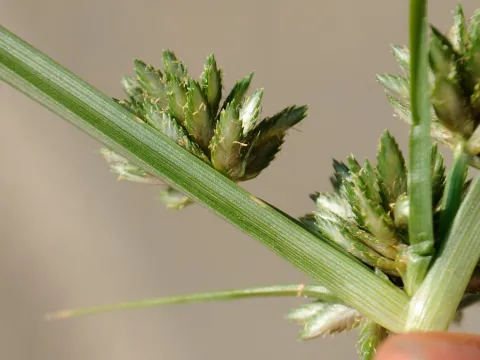
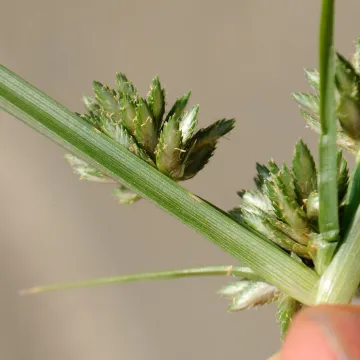
Botanically, the plant features erect stems and linear foliage arising from a basal rosette. The inflorescences are characterized by umbrella-like clusters that provide a unique aesthetic appeal. The root system is vigorous, often rhizomatous, allowing for rapid colonization of favorable substrates, which contributes to the plant's stability and resistance to environmental stress.
The agrotechnical requirements for Cyperus nipponicus focus primarily on water management. It thrives in fertile, loamy, or silty soils with a neutral pH. The ideal growth temperature ranges between 20°C and 25°C. Proper site selection is crucial; while the plant is adaptable, it requires consistent moisture throughout the growing season and prefers full sun to light shade to achieve its maximum development potential.
The main areas of agricultural and functional use include:
- Ornamental landscaping for pond margins and aquatic gardens.
- Phytoremediation and water purification in wetland treatment systems.
- Erosion control along riverbanks and irrigation channels.
- Production of vegetative material for organic mulching applications.
Regarding plant health, the most common issues involve fungal root pathogens triggered by poor water circulation or stagnant, cold conditions. While relatively resilient, the plant may occasionally be affected by pests such as aphids or leaf-eating insects. Maintaining proper spacing and ensuring that the water quality remains high are effective strategies to prevent disease outbreaks and ensure the vitality of the crop.
Photo gallery