Beautiful flatsedge
Cyperus pulchellus
Description
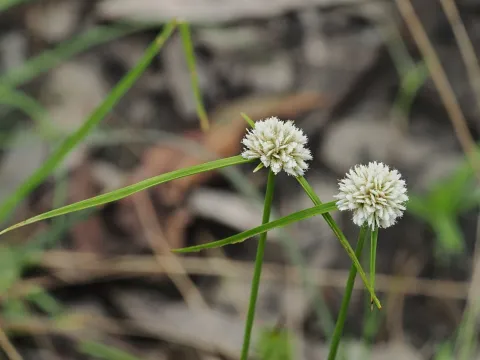
Beautiful flatsedge (lat. Cyperus pulchellus) is a herbaceous perennial plant belonging to the Cyperaceae family. This species is a member of the extensive Cyperus genus, which is widely recognized for its preference for aquatic and semi-aquatic habitats. It serves as a vital component in tropical wetland vegetation, contributing to the biodiversity and stability of the ecosystem.
The origin of Cyperus pulchellus is primarily traced to the tropical regions of Africa. It thrives in environments characterized by high humidity and consistent moisture, such as riverbanks, marshlands, and floodplains. Its range of cultivation is mostly limited to tropical and subtropical climatic zones where the warm temperatures support its rapid growth cycle throughout the year.
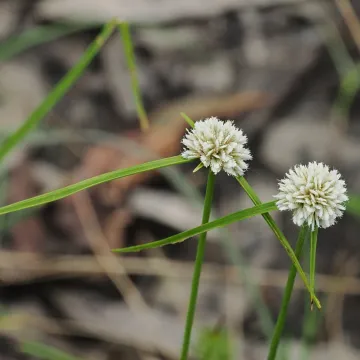
Botanically, the plant is characterized by its tufted growth habit, featuring erect, triangular stems and grass-like foliage at the base. The inflorescences consist of umbels of spikelets, which are typical for sedge species. The root system is robust and fibrous, providing the plant with the necessary anchorage to withstand periodic flooding and unstable, muddy soil conditions.
Cultivation requirements for this species focus primarily on water management. Cyperus pulchellus requires consistently damp or waterlogged soil to reach its peak growth potential. It thrives under full sun but can tolerate light shade. In an agricultural setting, it is essential to ensure that the substrate is nutrient-rich, as the plant extracts significant minerals to support its fast-growing aerial biomass.
The agricultural and economic utility of this plant includes its role in landscaping, particularly in water gardens and ecological restoration projects. It is often employed in bio-filtration systems due to its efficiency in absorbing excess nutrients from water. Typical pests include aphids and spider mites, especially in non-optimal dry conditions, while fungal pathogens may occur if water quality is poor. Proper crop maintenance involves monitoring soil moisture and preventing overcrowding to ensure adequate air circulation.
Photo gallery