Cyphostemma flavicans
Cyphostemma flavicans
Description
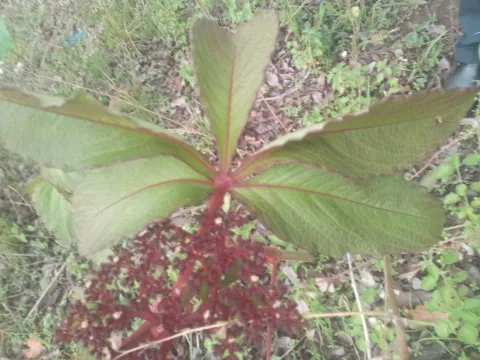
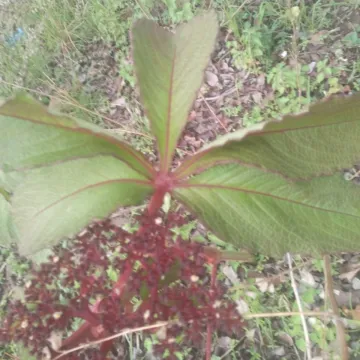
Cyphostemma flavicans is a distinctive succulent plant belonging to the Vitaceae (grape) family. Unlike its relatives that prefer moist habitats, this species has adapted to arid conditions, developing a specialized thickened stem known as a caudex that allows it to store water for long periods of drought.
The species originates from the dry regions of tropical Africa, primarily inhabiting rocky terrains and scrublands. Its natural habitat is characterized by extreme temperature fluctuations and seasonal rain patterns, which have shaped the biological mechanisms of the plant, including its dormancy phases and resource management.
Botanically, Cyphostemma flavicans is recognized by its succulent, often hair-covered stems and unique foliage that can exhibit yellow or greyish tints. This adaptation, alongside the thick, water-storing trunk, helps the plant survive high light intensity and limited water availability, making it a classic example of xerophytic evolution.
To successfully cultivate this species, growers should focus on replicating its natural environment:
- A high-drainage substrate, typically consisting of pumice, perlite, and coarse sand.
- Bright, direct light or high-intensity indirect sunlight to prevent etiolation.
- A strict irrigation schedule: water only when the growing medium is completely dry.
- A distinct winter rest period where watering is significantly reduced or ceased.
In terms of хозяйственное usage, Cyphostemma flavicans is highly prized in the horticultural trade as a rare collector's item. Its unique architectural form makes it a sought-after subject for succulent enthusiasts and botanical displays. While not a commercial field crop, its value in the nursery industry as an ornamental specimen is significant.
The main cultural challenges include susceptibility to root rot, which is common if the soil remains wet for too long, especially in cooler temperatures. Pests such as spider mites and mealybugs may also infest the plant under poor ventilation conditions. Proactive care, involving good airflow and proper substrate management, is essential to maintain plant health.
Photo gallery