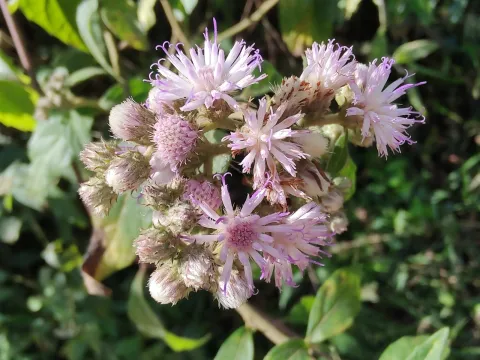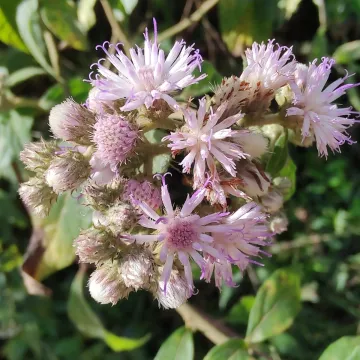
Cyrtocymura scorpioides
Cyrtocymura scorpioides
Description
Cyrtocymura scorpioides is a perennial herbaceous plant belonging to the Asteraceae family. Historically linked to the genus Vernonia, this plant has gained attention for its ecological resilience and medicinal potential. It is recognized as a hardy species capable of thriving in varied tropical and subtropical landscapes, making it a subject of interest in agricultural diversification.
The native range of this species extends across Central and South America. It typically thrives in warm climates characterized by distinct rainy and dry seasons. It is commonly found in disturbed soils, forest edges, and grasslands, showing a strong ability to colonize areas that have been subjected to land clearing or agricultural abandonment.
Botanically, the plant is characterized by erect stems and lanceolate leaves that exhibit a unique serrated margin. The most distinguishing feature is its inflorescence, consisting of small flower heads arranged in a curving, scorpion-tail-like structure. The root system is fibrous and deep, allowing the plant to anchor itself effectively in diverse soil types.
Regarding cultivation, the plant requires well-drained, nutrient-rich, but not overly saturated soils. It thrives in full sunlight, which promotes vigorous growth and flowering. Agricultural management should prioritize proper spacing to prevent excessive competition, as the plant can become quite bushy. Irrigation management is critical, especially during the early stages of development to establish a healthy root system.
The utility of Cyrtocymura scorpioides is primarily rooted in ethnopharmacology. Local communities have long utilized the plant for its reported anti-inflammatory, analgesic, and wound-healing properties. In modern agriculture, there is ongoing research into its chemical composition, aiming to standardize its cultivation for the production of natural bioactive compounds used in medicinal extracts.
Pest and disease management is essential for maintaining high-quality yields. The plant can be susceptible to fungal pathogens such as powdery mildew during humid periods, which require adequate airflow to manage. Common pests include aphids and various beetle species that feed on foliage. Integrated pest management, emphasizing regular inspection and mechanical removal of pests, is the most effective approach for sustainable production.
Photo gallery