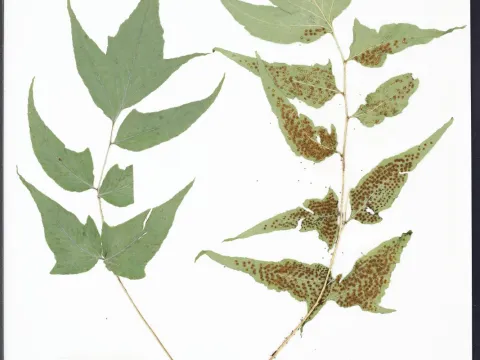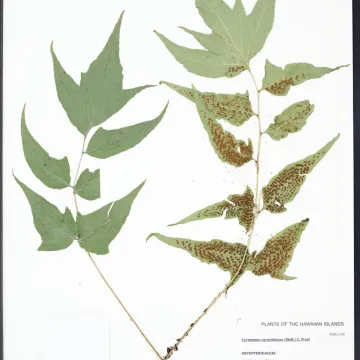

Cyrtomium caryotideum
Cyrtomium caryotideum
Description
Cyrtomium caryotideum is a perennial fern belonging to the Dryopteridaceae family. It is widely recognized for its robust, leathery, and glossy fronds, which distinguish it from other delicate fern species. As a horticultural crop, it is highly valued for its structural beauty and ability to adapt to indoor environments, making it a staple in ornamental plant cultivation.
The plant originates from East Asia, spanning regions including China, Japan, and parts of the Himalayas. In its native habitat, it thrives in shaded, moist environments such as forest floors, rock crevices, and mountainous slopes. This natural adaptation to shaded and humid conditions serves as a guide for its cultivation in greenhouses or interior landscaping settings.
Botanically, it features a short, creeping rhizome from which its striking fronds arise. The foliage is characteristically stiff, dark green, and possesses a unique segment shape that mimics the leaves of certain palms. This structural durability allows it to withstand environmental variations better than many other temperate ferns, contributing to its popularity among plant enthusiasts.
Agrotechnical requirements for this species include high humidity levels, well-draining substrate, and protection from direct sunlight, which can scorch the fronds. The ideal potting medium should be porous, nutrient-rich, and slightly acidic to neutral. Regular watering is essential, but it must be balanced to prevent waterlogging, which the plant's root system is particularly sensitive to.
- Maintain high ambient humidity for optimal growth.
- Use a well-draining, organic-rich soil mix.
- Keep the plant in bright, indirect light conditions.
- Avoid excessive mineral salt buildup in the substrate.
- Prune dead or damaged fronds to encourage new growth.
The primary use of Cyrtomium caryotideum is ornamental; it serves as an excellent decorative specimen for conservatories, terrariums, and shade-loving garden borders. Regarding health management, the plant can be susceptible to scale insects and spider mites. Effective control involves maintaining proper ventilation and moisture levels, as these factors significantly influence the plant's natural resistance to pests and root rot.
Photo gallery