Cantabrian broom
Cytisus cantabricus
Description
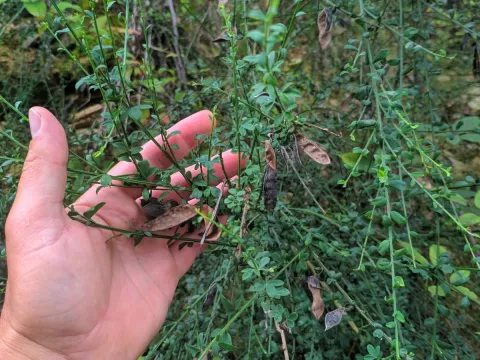
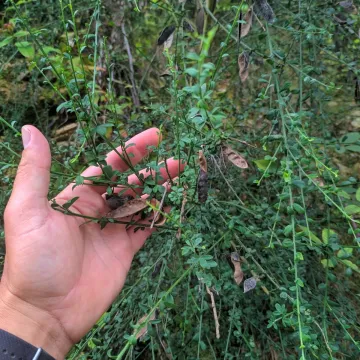
Cantabrian broom (Cytisus cantabricus) is a perennial shrub species belonging to the Fabaceae family. As an agricultural and ornamental crop, it is recognized for its hardiness and ability to thrive in challenging, nutrient-poor substrates, making it an excellent candidate for slope stabilization and xeriscaping.
The origin of this species is traced to the Cantabrian Mountains in Northern Spain. Its natural distribution is characterized by rocky environments and dry, open meadows where the climate is temperate and the soil structure is predominantly rocky or sandy, allowing for deep root penetration.
From a botanical perspective, the plant features a dense, shrubby habit with small, alternate leaves and distinctive pea-like flowers. Its physiological adaptations include a high tolerance for drought, facilitated by its efficient root system and reduced leaf surface area, which helps maintain water balance in arid conditions.
Agrotechnical management requires selecting sites with full sun exposure and excellent soil drainage. Heavy or waterlogged soils are detrimental to the plant's health, often leading to root rot. Irrigation should be minimized once the plant is established, and fertilization is generally unnecessary due to the plant's nitrogen-fixing capabilities.
The primary economic use is in landscaping and soil conservation. Because of its deep roots, it is highly effective at preventing soil erosion on hilly terrain. Common issues include occasional fungal pathogens like powdery mildew, which are usually mitigated by ensuring adequate air circulation and preventing excessive humidity around the foliage.
- High drought tolerance
- Nitrogen-fixing properties
- Requirement for well-drained soils
- Sun-loving nature
- Low maintenance requirements
Photo gallery