Cytisus filipes
Cytisus filipes
Description
Cytisus filipes, commonly known as a type of broom, is a distinctive shrub belonging to the Fabaceae family. This species is highly regarded for its slender, thread-like branches and its capacity to form an elegant, airy silhouette, which adds significant visual value to Mediterranean-style gardens.
Native to the Canary Islands, this plant has adapted to thrive in warm, temperate environments. It is well-suited for regions that experience mild winters and high solar radiation. The natural habitat of the species often includes rocky slopes and scrublands, indicating a high level of resilience to varying environmental stressors.
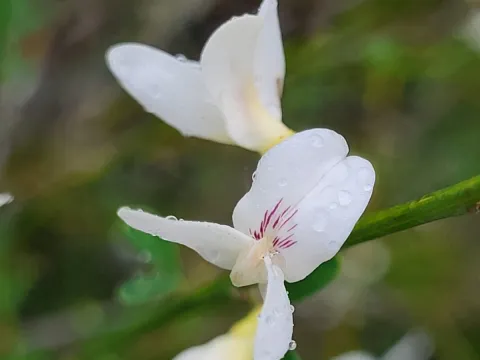
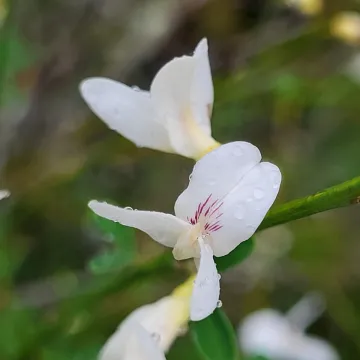
Botanically, the plant is characterized by its reduced foliage and long, flexible green stems that carry out much of the photosynthesis. Its flowers are typically typical of the subfamily Faboideae, appearing in clusters that provide a striking display during the flowering season, generally in shades of white or light yellow.
Agricultural and gardening requirements focus on the necessity of excellent soil drainage. It prefers poor, sandy, or rocky soils and should be situated in full sun. Overwatering is the most common cause of failure; therefore, the plant should be grown in sites where the soil does not retain excessive moisture for long periods.
The primary use of Cytisus filipes is ornamental, serving as a specimen plant or as a component of a xeriscape garden. Maintenance is minimal once established, requiring only light pruning to maintain size and shape. Potential threats include root rot under wet conditions and occasional infestations of aphids or spider mites during periods of high humidity.
Photo gallery