Regensburg broom
Cytisus ratisbonensis
Description
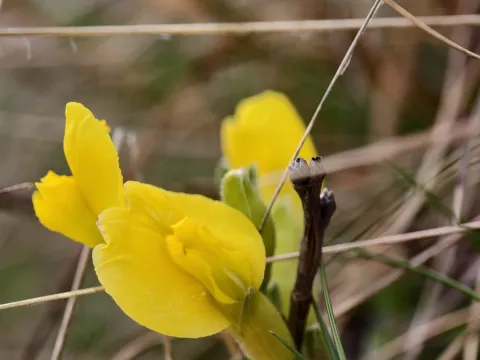
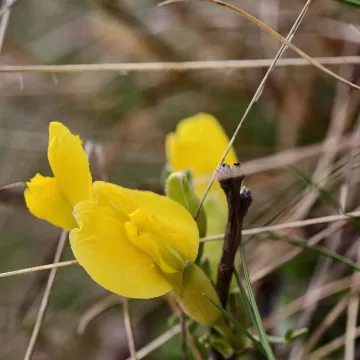
Regensburg broom, known scientifically as Cytisus ratisbonensis, is a perennial shrub belonging to the Fabaceae family. This species is widely recognized for its bright yellow flowers and adaptability to challenging soil conditions. It serves as an essential component in naturalistic landscaping and ecological restoration projects across its native range.
The plant is native to parts of Central and Eastern Europe. It typically thrives in open, sandy habitats, rocky outcrops, and light forest edges. Due to its evolutionary history in nutrient-poor environments, it has developed robust mechanisms to survive on arid, well-drained soils, often where other common plants struggle to establish.
Botanically, it features slender, branching stems and small, trifoliate leaves. The flowers are typically arranged in dense racemes, blooming throughout the late spring. The fruit is a flattened pod, characteristic of the legume family, which protects the seeds until they are ready for dispersal, ensuring the plant's propagation and survival in diverse conditions.
Agronomic requirements are focused on providing excellent drainage and full sun exposure. Regensburg broom does not tolerate waterlogging, which can lead to root rot. While it is self-sufficient in nitrogen due to symbiotic bacteria, light pruning after flowering is essential to maintain a bushy shape and prevent the plant from becoming overly woody or leggy over time.
Economic and horticultural uses include soil stabilization on hillsides and embankments. Its dense root network helps prevent soil erosion effectively. Additionally, as a prominent nectar-producing plant, it is highly favored by beekeepers, and its aesthetic appeal makes it a popular choice for rock gardens and natural-style borders in public and private spaces.
- Drought tolerance
- High nectar production
- Erosion control capacity
- Low soil fertility requirement
Pest and disease management involves monitoring for aphids and spider mites, which can infest the foliage during hot, dry spells. Fungal infections, such as powdery mildew, may occur if air circulation is poor or if humidity remains high. Keeping the planting site clean and ensuring proper spacing between bushes are the best preventive measures.
Photo gallery