Sessile-leaved broom
Cytisus sessilifolius
Description
Sessile-leaved broom (Latin: Cytisus sessilifolius) is a deciduous shrub species belonging to the Fabaceae (Legume) family. It is a valued ornamental plant known for its structural beauty and vibrant floral display during the late spring period.
The plant originates from Southern Europe, thriving in regions with Mediterranean-influenced climates. Its natural habitat includes sunny rocky slopes and dry scrublands, which defines its high tolerance to poor soil quality and environmental stressors in agricultural and garden settings.
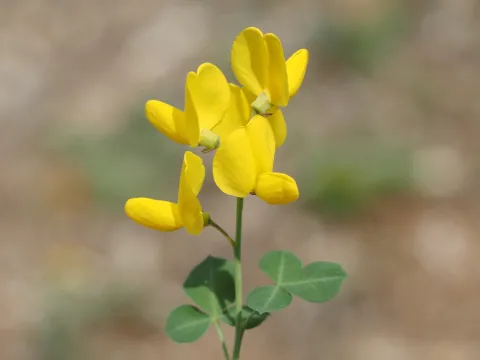
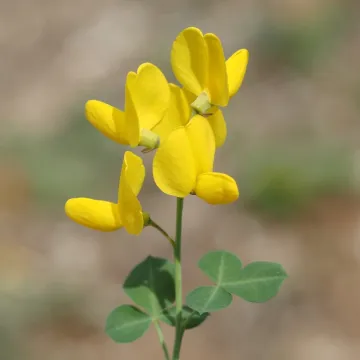
Botanically, it is characterized by its sessile (stalkless) trifoliate leaves and dense racemes of yellow pea-like flowers. The shrub typically grows in a rounded, bushy form, reaching heights of approximately 1.5 to 2 meters. Like many legumes, it can fix atmospheric nitrogen in its roots, though it thrives best in mineral-rich, well-draining soils.
Cultivation requirements focus on selecting sites with full sun exposure. The soil should be light, gritty, or sandy to prevent waterlogging, which the species does not tolerate. While it is hardy in many climates, it benefits from wind protection to prevent branches from breaking during winter storms.
- Plant in well-drained, sandy loam.
- Avoid over-fertilizing with nitrogen.
- Prune lightly immediately after the flowering phase.
- Mulch the base to maintain root temperature.
The primary use of Cytisus sessilifolius is in landscape architecture, specifically for rock gardens, dry embankments, and as a border shrub. It serves as an excellent plant for erosion control on slopes. Note that the plant is considered toxic to livestock due to alkaloid content, making it strictly an ornamental species.
Typical pest issues include aphids and spider mites, which can be managed with biological control or targeted horticultural oils. Fungal diseases, such as leaf spot or powdery mildew, may occur if humidity is too high or air circulation is restricted within the foliage.
Photo gallery