
Hairy broom
Cytisus villosus
Description
Hairy broom (lat. Cytisus villosus) is a perennial deciduous shrub belonging to the Fabaceae (legume) family. Known for its ornamental value, this plant is characterized by rapid development and a profuse flowering season, which makes it a popular choice for gardens and natural landscaping projects.
The species originates from the Mediterranean region, where it naturally occurs in scrublands, rocky areas, and open woodland edges. Its historical range extends across Southern Europe and North Africa, where the plant has adapted to Mediterranean climate patterns, characterized by dry, hot summers and mild, wet winters.
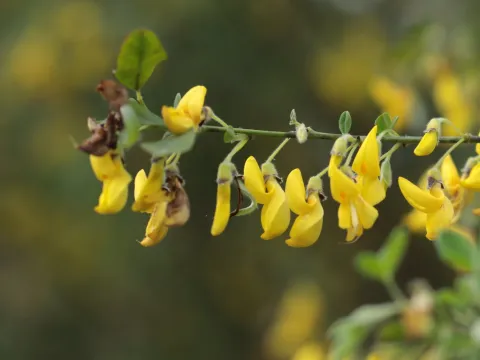
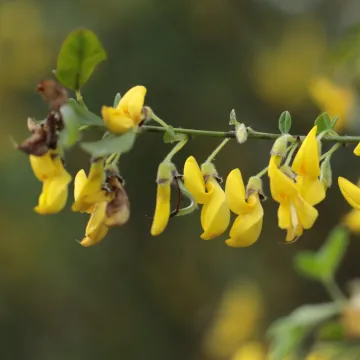
Botanically, it is a dense shrub typically reaching heights between 2 and 3 meters. The stems and leaves are covered in fine, soft hairs, which provide drought resistance. The trifoliate leaves are grayish-green, and the flowers, which appear in late spring, are striking, yellow, and often show reddish markings that add visual interest.
Agronomic requirements for this plant focus on soil drainage and light exposure. It thrives in well-drained, slightly acidic, sandy or rocky soils. It is highly intolerant of waterlogged conditions, which can lead to root rot. Propagation is generally successful via seeds or softwood cuttings taken during the growing season.
The primary agricultural uses include landscape design, soil stabilization on slopes, and its role as a honey-producing plant. In terms of health, the plant is susceptible to powdery mildew during humid periods and various pests like aphids or weevils. Regular maintenance, such as light pruning after flowering, ensures long-term vitality and aesthetic appeal.
Photo gallery