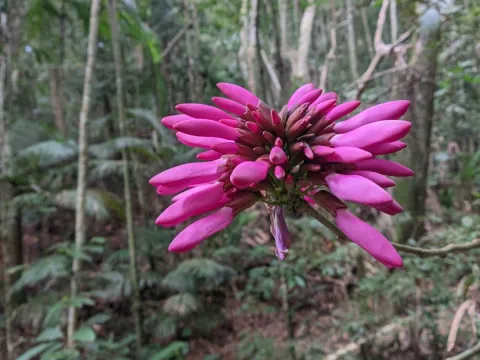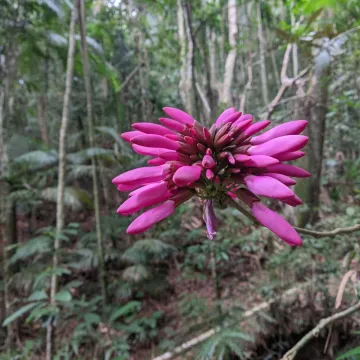
Dahlstedtia pinnata
Dahlstedtia pinnata
Description
Dahlstedtia pinnata is a notable leguminous plant species (family Fabaceae) often recognized for its role in tropical ecological restoration and agroforestry. It is a perennial woody plant that contributes significantly to the maintenance of soil structure and the biological nitrogen cycle in its native habitats.
Originating from the tropical regions of South America, specifically Brazil, the species is adapted to high-humidity environments. Its cultivation area spans areas where tropical rainforest conditions prevail, and it is increasingly studied for its potential to thrive in reclaimed lands within similar climatic zones.
Botanically, Dahlstedtia pinnata features distinct pinnate leaves and a robust root system capable of forming symbiotic associations with soil bacteria. These root nodules are critical for the plant's ability to fix atmospheric nitrogen, which enhances the overall nutrient profile of the surrounding ecosystem.
Environmental requirements include a consistent tropical climate with ample rainfall and well-drained, nutrient-rich soils. From an agricultural management perspective, planting should be timed to avoid early-stage drought stress. Maintenance involves standard pruning practices to promote canopy health and ensuring that the soil maintains a slightly acidic to neutral pH for optimal microbial activity.
The primary agricultural utility of this plant lies in its use for soil stabilization, green manure production, and carbon sequestration. While it is generally resilient, it can be susceptible to common tropical pests such as leaf miners and certain fungal pathogens that thrive in extreme humidity. Integrated pest management, focusing on biological controls and proper site drainage, is highly recommended.
Photo gallery