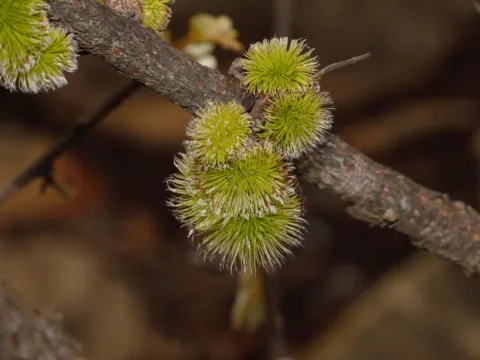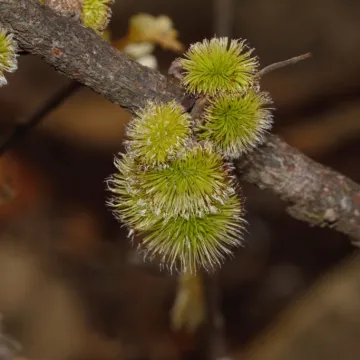
Dalbergia nitidula
Dalbergia nitidula
Description
Dalbergia nitidula is a perennial woody plant belonging to the Fabaceae (legume) family. Often appearing as a shrub or a small tree, it is well-regarded for its resilience and suitability for various tropical environments. While not a conventional staple crop, it serves a vital function in modern agroforestry systems and land reclamation projects across its native range.
The species is native to the tropical regions of Africa, specifically found in sub-Saharan landscapes. Its natural habitat includes savannas and wooded grasslands, where it demonstrates significant tolerance for varying environmental conditions. The plant is well-adapted to regions with distinct wet and dry seasons, exhibiting robust survival mechanisms during periods of low rainfall.
Botanically, the plant features pinnately compound leaves and typical papilionaceous flowers arranged in terminal or axillary inflorescences. Its fruit consists of flat, indehiscent pods containing seeds that facilitate natural dispersal. The root system is capable of forming symbiotic relationships with nitrogen-fixing bacteria, significantly contributing to soil nitrogen levels and overall site productivity.
Agronomic management of Dalbergia nitidula requires well-drained soil, preferably of sandy or loamy texture. The species is highly photophilous, necessitating adequate sun exposure during its early growth stages. In plantation settings, maintaining correct spacing is crucial to prevent competition for resources and to promote healthy branch development.
Economic and agricultural utility of this species includes:
- Production of durable timber favored for artisanal woodwork and furniture.
- Traditional medicinal applications derived from bark and root extracts.
- Use in live fencing and erosion control along sloping agricultural land.
- Enhancement of soil fertility through nitrogen fixation in agroforestry settings.
Pest and disease management is essential to maximize growth rates. The plant may be susceptible to wood-boring insects and specific species of weevils that can damage structural wood. Fungal infections of the bark may occur in areas with poor ventilation or high humidity. Good management practices, including thinning and removing dead wood, are the primary methods for maintaining tree health.
Photo gallery