Dalea alopecuroides
Dalea alopecuroides
Description
Dalea alopecuroides, commonly known as foxtail dalea, is an annual leguminous plant belonging to the Fabaceae family. It is recognized for its nitrogen-fixing capabilities and its role in sustainable agricultural systems as a soil-building cover crop.
Originating from the prairies of North America, the plant is native to the central and western United States. Its evolution in these environments has endowed it with excellent drought tolerance, making it an resilient choice for regions facing water scarcity or unpredictable climate patterns.
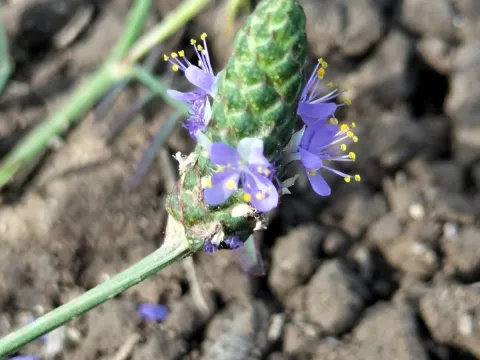
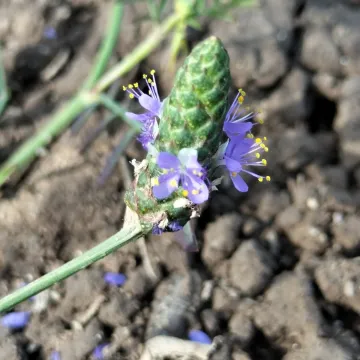
Botanically, this species is characterized by its slender, erect stems and pinnately compound leaves. Its most distinctive feature is the dense, cylindrical, foxtail-like flower spikes that bloom in mid-summer. The root system is robust, allowing the plant to stabilize loose soils and penetrate compacted layers efficiently.
Regarding agrotechnical requirements, Dalea alopecuroides prefers well-drained, sandy, or loamy soils with full sun exposure. It is relatively easy to cultivate, provided the seeds are planted in warm soil. Weed management during the early establishment phase is critical, although the plant becomes highly competitive once mature.
The agricultural utility of this plant spans several areas. It is widely used as a cover crop to improve soil structure and fertility. Furthermore, it serves as a valuable resource for pollinators, helping to maintain ecological balance in fields, and acts as a stabilizing agent in land reclamation projects aimed at curbing wind and water erosion.
- Natural nitrogen fixation for soil health.
- Excellent erosion control for sandy soils.
- Beneficial impact on local pollinator populations.
- High tolerance to arid and semi-arid climates.
Photo gallery