Dalea cliffortiana
Dalea cliffortiana
Description
Dalea cliffortiana is a hardy perennial shrublet that belongs to the extensive Fabaceae family. Known for its resilience, this plant has gained attention in agricultural research for its ability to thrive in arid and semi-arid regions where conventional crops often fail to establish successfully.
The species originates from the tropical and subtropical regions of the Americas, where it has evolved to withstand long, severe dry seasons. Its natural habitat is typically characterized by poor soil quality and high light intensity, making it an excellent candidate for land reclamation projects aimed at restoring nitrogen-depleted soils.
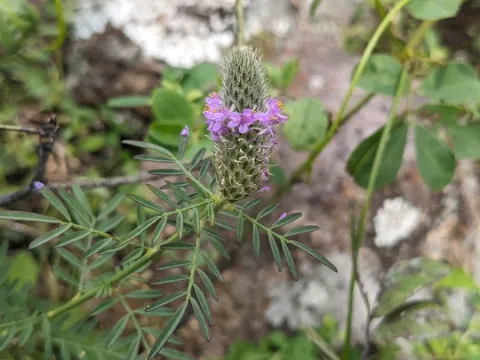
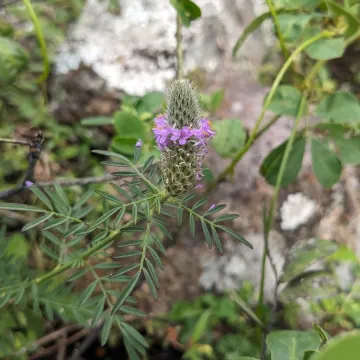
Botanically, this species is defined by its pinnate leaves and small, dense inflorescences typical of the Dalea genus. The root system is significantly developed, which is a key adaptive feature for accessing deep groundwater reserves. This morphology provides the plant with structural stability and physiological drought tolerance, which is critical for survival in desert-like conditions.
Agronomic requirements for Dalea cliffortiana center on soil drainage and thermal management. The plant does not tolerate waterlogging, which necessitates cultivation on well-drained sandy or rocky soils. Proper spacing is essential to ensure adequate airflow around the canopy, reducing the risk of fungal proliferation during the peak growing season.
The primary agricultural utility of this species involves its use in sustainable crop rotations and soil improvement programs through symbiotic nitrogen fixation. While it offers potential as a hardy forage crop, producers must monitor for common pests such as aphids and leaf-chewing insects. Managing these issues is vital for maximizing the biomass yield of this persistent legume.
Photo gallery