Trailing dalea
Dalea scandens
Description
Trailing dalea (Dalea scandens) is a perennial herbaceous or subshrub plant belonging to the Fabaceae (legume) family. This species is highly valued in botanical and agricultural circles for its resilience and its role in nitrogen fixation. By establishing a symbiotic relationship with beneficial soil bacteria, it serves as a natural fertilizer in many ecosystems.
Originating from Central and South America, this plant is well-adapted to warm, arid to semi-arid environments. Its native range includes various habitats such as dry woodlands and rocky slopes. Because of these geographic origins, Trailing dalea thrives in regions that experience significant sunshine and have relatively low humidity, making it a robust candidate for cultivation.
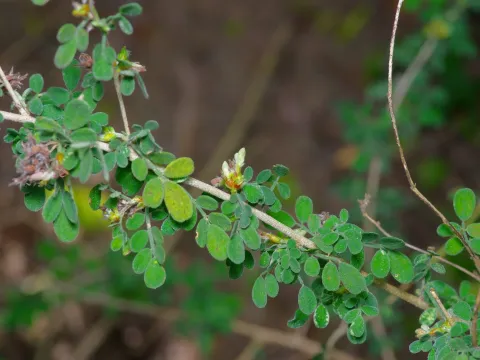
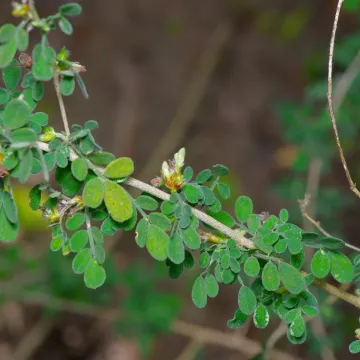
The morphology of Dalea scandens is characterized by its slender, trailing, or sprawling stems, which give it its common name. The leaves are pinnately compound, providing a lush appearance during the growing season. The flowers are arranged in compact, distinct spikes or heads that are highly attractive to pollinators, contributing to local biodiversity.
Successful cultivation requires soil that is well-drained and neutral to slightly alkaline. Unlike many common crops, Trailing dalea is quite tolerant of poor soil conditions and minimal nutrient inputs, provided it has enough sunlight. Agronomic management involves site selection on slopes or sandy terrains and ensuring that the soil does not remain waterlogged, which can lead to root issues.
The agricultural and economic applications of the species are diverse:
- Utilized as a high-protein forage crop for livestock grazing in extensive production systems.
- Served as a soil-binding agent to combat erosion on fragile or sloping farmlands.
- Valued in apiary management as a nectar source to support honeybee and native pollinator populations.
- Potential use in land reclamation projects to restore degraded ecosystems through nitrogen enrichment.
Regarding plant health, Trailing dalea is generally resistant to many common pests but can be susceptible to root rot if drainage is insufficient. Growers should monitor for aphid infestations and defoliating insects during the peak summer months. Maintaining proper spacing between plants helps ensure air circulation, which significantly reduces the risk of fungal infections.
Photo gallery