Dalechampia spathulata
Dalechampia spathulata
Description
Dalechampia spathulata is a notable tropical species belonging to the Euphorbiaceae family. Originating from the humid forests of Central and South America, this plant functions as a perennial vine, often utilizing other vegetation as a natural support for its vigorous, climbing growth habit.
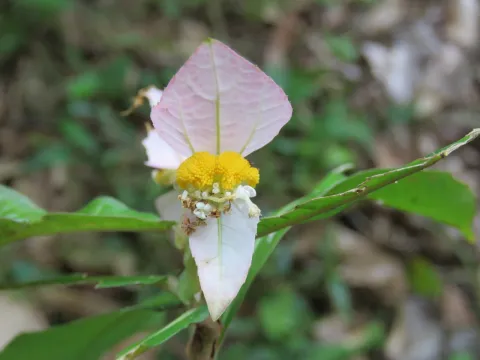
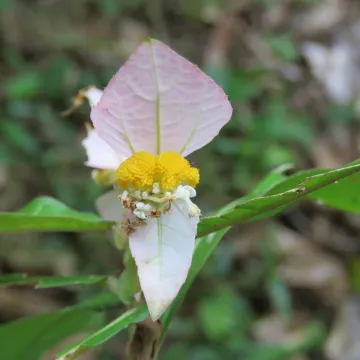
Botanically, the plant is characterized by its distinctive lobed leaves and unique, showy bracts that surround its small, complex flower heads known as pseudanthia. These specialized structures are evolutionarily developed to attract pollinators in the dense tropical understory environment, showcasing the diversity within the spurge family.
The climate requirements for this culture are strict: it demands high humidity and constant warm temperatures to thrive. It is highly sensitive to frost and cold drafts, necessitating protected environments like greenhouses or specialized climate-controlled containers when cultivated outside its native tropical range.
Soil management for Dalechampia spathulata involves using a well-draining, nutrient-rich substrate, preferably with a slightly acidic profile. Proper irrigation is vital; while the plant enjoys moisture, it is prone to root rot if left in waterlogged soil. Consistent fertilization is recommended during the growing season to support its rapid development.
The primary use of this species is within the ornamental and botanical horticultural industry, where it is valued for its exotic aesthetic. Typical plant protection concerns include managing pests like spider mites and aphids.
- Maintain constant humidity (above 60%)
- Ensure bright, indirect sunlight exposure
- Apply balanced liquid fertilizers monthly
- Use sterilized soil to prevent fungal pathogens
Photo gallery