Damnacanthus indicus
Damnacanthus indicus
Description
Damnacanthus indicus is an evergreen shrub belonging to the Rubiaceae family, widely recognized for its distinct morphological traits and potential medicinal value. It stands out in the landscape and horticultural sectors as a specialized plant that requires specific environmental conditions to thrive.
Native to the subtropical regions of East Asia, including parts of China, Japan, and India, the plant has evolved in forest understories. This evolutionary history dictates its preference for sheltered environments, protection from harsh direct sunlight, and consistent humidity levels in its natural habitat.
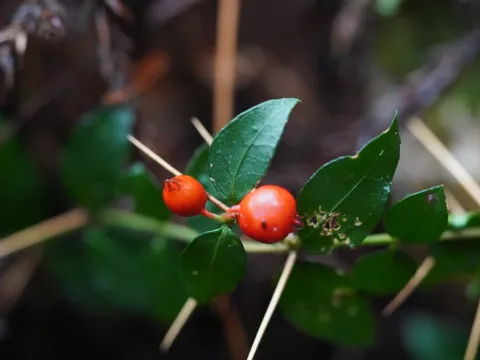
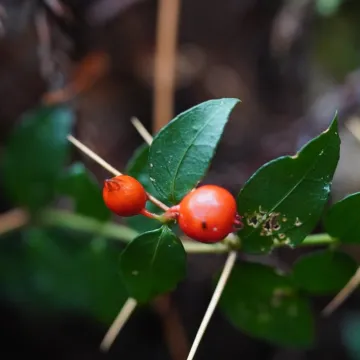
From a botanical standpoint, this shrub is characterized by its compact, slow-growing habit and the presence of prominent paired thorns at the leaf axils. The leaves are leathery and dark green, while the white flowers are followed by vibrant, ornamental red berries that remain on the branches for extended periods, contributing to its aesthetic appeal.
Agricultural requirements for successful cultivation include:
- Soil: Well-drained, acidic soil rich in organic matter.
- Light: Partial shade or filtered light to prevent leaf scorching.
- Irrigation: Consistent moisture, ensuring the substrate does not dry out completely.
- Climate: Protection from extreme frost; generally prefers mild, stable temperatures.
The economic value of this culture is primarily focused on its pharmaceutical applications, as parts of the plant are utilized in traditional medicine research for their bioactive compounds. Furthermore, its unique appearance and resilience under the right conditions make it a desirable subject for niche landscape gardening and container-grown plant collections.
Typical plant health issues for this species include fungal root pathogens resulting from poor drainage or excessive soil moisture. Pests such as aphids and scale insects may also infest the foliage if the plant is grown in inadequately ventilated greenhouse conditions. Maintaining a proper irrigation schedule and regular inspection of the plants are essential for disease and pest management.
Photo gallery