Danaea elliptica
Danaea elliptica
Description
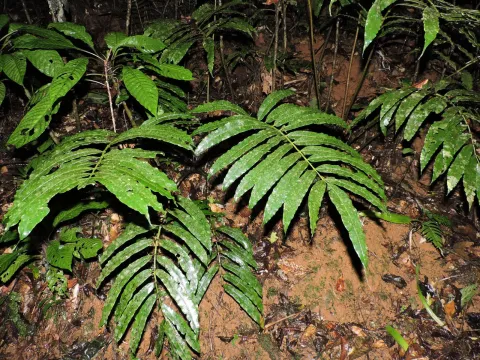
Danaea elliptica is a fascinating species of fern belonging to the Marattiaceae family. As a shade-loving tropical plant, it typically inhabits the floor of moist primary forests, where the microclimate remains stable with high humidity levels and limited direct sunlight throughout the year.
The native range of this species extends across the tropical regions of Central and South America, including the Caribbean islands. It thrives in soils rich in leaf litter and organic matter, which provide the necessary nutrients and physical support for its specialized root system in the dense forest understory.
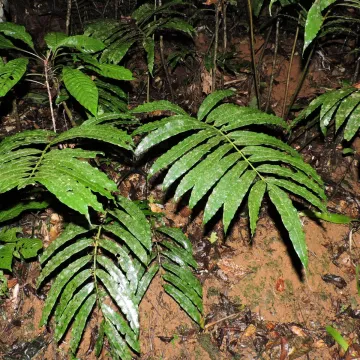
Botanically, the plant is characterized by its pinnate fronds with distinct elliptical leaflets. A unique feature of the Marattiaceae family is the presence of synangia—fused sporangia that appear as linear structures on the undersides of the fertile fronds. Its rhizomes are typically robust, allowing the plant to store energy for survival in competitive environments.
Cultivation of Danaea elliptica requires meticulous attention to environmental parameters. It demands a temperature range of 20-28°C and high atmospheric humidity. The growing medium should be well-draining yet moisture-retentive, typically composed of peat, horticultural charcoal, and decomposed organic matter to replicate the natural forest floor conditions.
In terms of usage, it is primarily maintained in botanical collections and specialized greenhouses due to its ornamental value and scientific interest. Common threats to its health include mealybugs and spider mites, especially when kept in environments with poor ventilation or low humidity. Root rot caused by overwatering or compacted soil remains a significant risk for this species.
Photo gallery