Alpine danthonia
Danthonia alpina
Description
Alpine danthonia (Danthonia alpina) is a perennial herbaceous plant belonging to the grass family Poaceae. In an agricultural context, this species is recognized for its robustness and ability to thrive in harsh environments, making it a valuable component of natural grasslands and mountain meadows used for grazing.
The origin and natural distribution of Alpine danthonia are primarily centered in the mountainous regions of Europe and parts of Asia. It has adapted to subalpine zones, rocky slopes, and well-drained alpine meadows, where it plays a critical role in preventing soil erosion and maintaining the stability of local vegetation cover.
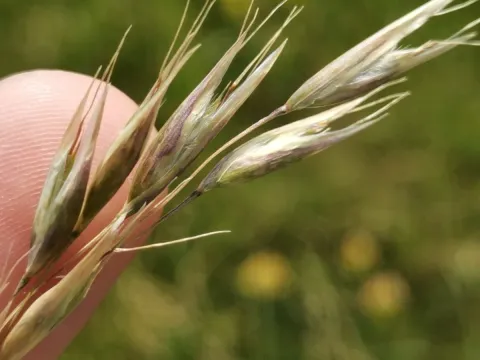
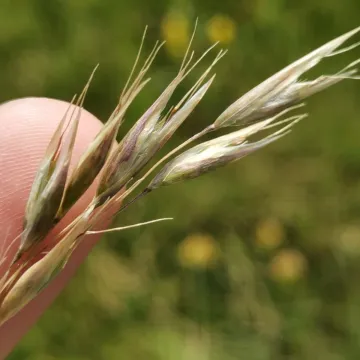
Botanically, it forms dense, tufted clusters that provide resilience against physical pressure. The leaves are typically narrow and may feature fine hairs, an adaptation that helps the plant manage moisture retention. The inflorescence consists of a characteristic panicle, which produces seeds capable of enduring varied mountain climatic conditions.
Regarding cultivation requirements, the plant prefers well-drained, moderately fertile soils and is highly responsive to sunny locations. It demonstrates remarkable tolerance to temperature fluctuations and frost, which is essential for survival in high-altitude environments. Agricultural management involves periodic harvesting or controlled grazing to ensure the plant maintains its nutritional value.
- Excellent cold tolerance and winter hardiness.
- Strong root system that aids in soil stabilization on steep terrain.
- Good regrowth potential following light grazing or mowing.
- Lower susceptibility to common rust diseases compared to other forage grasses.
The primary agricultural use of Alpine danthonia is for pasture improvement and soil conservation. Because of its longevity and persistent nature, it is a preferred choice for establishing stable forage stands in mountainous regions where traditional crops may fail due to soil or climate constraints.
Photo gallery