Danthonia auriculata
Danthonia auriculata
Description
Danthonia auriculata is a perennial grass species belonging to the Poaceae family. Known for its resilience and adaptability, this species plays a vital role in natural grasslands and managed pastoral systems. As a hardy grass, it provides consistent ground cover and essential forage for livestock in various environments.
The native range of this species is primarily located in Australia, where it has evolved to thrive in diverse climatic zones. It is particularly well-adapted to environments characterized by variable rainfall and seasonal temperature shifts. This natural evolutionary path has equipped the plant with high tolerance to drought and competitive stress within plant communities.
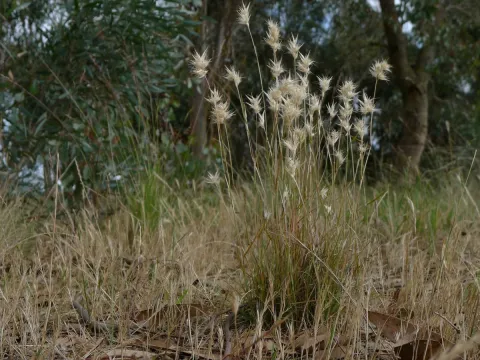
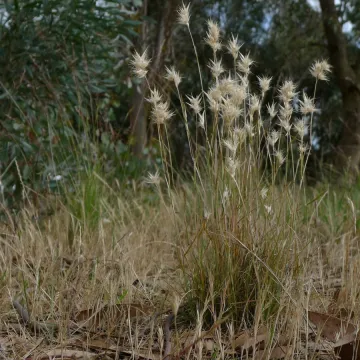
Botanically, Danthonia auriculata is recognized by its dense tussock growth habit and narrow leaves that feature distinct auricular appendages at the base of the leaf blade. Its root system is relatively deep and fibrous, which facilitates efficient moisture uptake and nutrient absorption. The reproductive inflorescence is a panicle, producing small seeds that ensure the species' successful dispersal in its habitat.
In terms of agricultural requirements, this species prefers well-drained soil types, ranging from sandy loams to clay loams. While it is tolerant of low-fertility soils, optimizing soil health can significantly improve biomass production. Cultivation practices should focus on sustainable grazing management, ensuring that plants are not overgrazed during periods of slow growth, which helps maintain the vigor of the root system.
The primary agricultural and ecological uses include:
- Forage production for sheep and cattle grazing systems.
- Soil stabilization and erosion control on degraded landscapes.
- Enhancement of native vegetation in biodiversity conservation programs.
Regarding health management, the crop is generally hardy, though it may occasionally face issues with fungal pathogens, particularly rust, during periods of excessive humidity. Insect pests typically cause minimal damage if the stand is managed correctly. Regular monitoring of the plant canopy is advised to maintain optimal pasture health and productivity throughout the growing season.
Photo gallery