Short-wallaby grass
Danthonia carphoides
Description
Short-wallaby grass (scientifically known as Danthonia carphoides) is a perennial grass species within the Poaceae family. It is recognized as a tussock-forming grass, highly valued in agricultural systems for its resilience, ability to thrive in poor soil conditions, and exceptional drought tolerance during arid growing seasons.
Originating from the diverse landscapes of Australia, this species is native to natural grassland ecosystems. Its evolutionary history in regions with unpredictable rainfall patterns has shaped its physiological capacity to conserve water and survive in high-temperature environments. It is currently studied for its potential in dryland agriculture and sustainable pasture management programs.
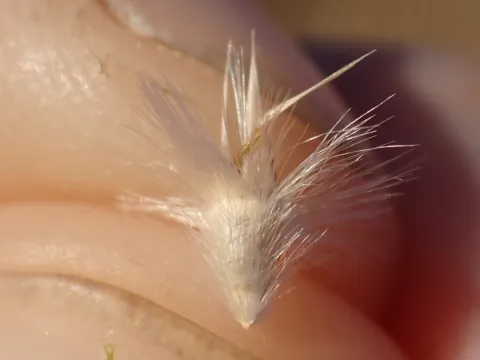
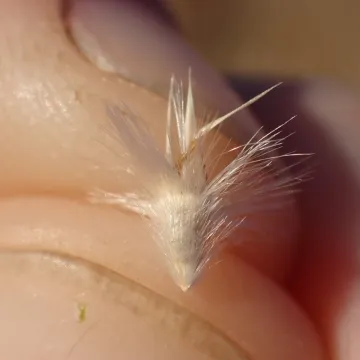
Botanically, it typically develops narrow, often rolled foliage and compact panicle inflorescences. The plants usually grow in dense clumps, reaching heights between 30 and 60 centimeters. A distinctive biological feature of this species is its strategy of cleistogamy, where flowers produce seeds within the leaf sheaths, ensuring successful propagation even when external pollination is compromised by harsh environmental conditions.
Cultivation requirements favor well-drained, acidic to neutral soils with moderate exposure to sunlight. The species is notably hardy and does not require intensive fertilization, making it suitable for low-input farming systems. Proper management involves periodic light grazing, which helps prevent the accumulation of dry material and encourages new vegetative growth throughout the season.
- Excellent drought and heat tolerance.
- Effective erosion control on degraded lands.
- High reproductive stability due to cleistogamy.
- Suitability for diverse grazing management strategies.
The primary economic use of this grass is in livestock farming as a reliable pasture forage, providing sustenance for ruminants in marginal areas. Beyond agriculture, it is utilized in environmental restoration projects to stabilize topsoil and enhance biodiversity in restored native grasslands. While generally hardy, monitoring for minor fungal infections in overly humid conditions is advisable to maintain stand health and productivity.
Photo gallery