Danthonia frigida
Danthonia frigida
Description
Danthonia frigida is a perennial grass species belonging to the Poaceae family. It is a specialized plant adapted to extreme environmental conditions, characterized by its hardiness and ability to thrive in high-altitude ecosystems where other agricultural crops struggle to survive.
The species originates from the mountainous regions of South America, specifically the Andean zones. Its natural habitat includes rocky slopes, alpine meadows, and cold, high-exposure terrains. Over time, it has evolved to become a foundational species in these high-altitude grasslands.
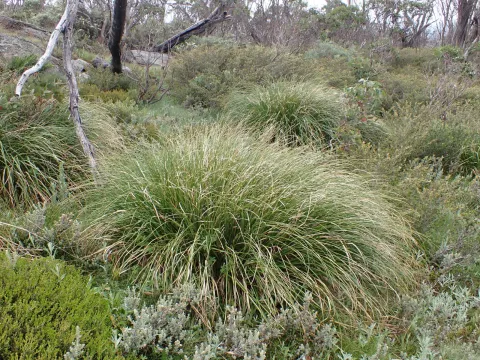
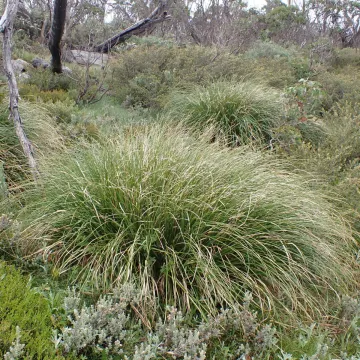
Botanically, this grass forms dense tufts (tussocks) that protect the plant's core from thermal stress. The leaves are typically narrow and stiff, designed to minimize transpiration. Its root system is extensive and fibrous, allowing the plant to secure nutrients and moisture effectively in nutrient-poor and shallow soil conditions.
In terms of agricultural requirements, the species is remarkably self-sufficient. It prefers well-drained soils and requires little to no chemical intervention. It is highly resistant to frost and drought, and its growth habit is well-suited for temperate to cold climates. Proper grazing management is key to maintaining the vitality of these pastures.
The primary agricultural use of this plant is as a natural forage source for livestock in alpine areas. While it is generally robust, growers should monitor for common grass diseases such as rusts or insect infestations typical of wild mountain grasses. Its high resilience makes it a valuable asset for sustainable pasture systems in harsh geographic locations.
Photo gallery