Danthonia paradoxa
Danthonia paradoxa
Description
Danthonia paradoxa is a perennial grass species belonging to the Poaceae family. It is a unique botanical specimen known for its specific structural features and its ability to thrive in various temperate environments. As a forage-type grass, it has garnered interest for its resilience and ability to persist under varying management conditions.
The origin and natural distribution of this species are tied to specific ecological zones where moisture and soil quality vary seasonally. It is primarily found in open habitats, including grasslands and meadow fringes, where the plant can maximize its exposure to sunlight, which is essential for its dense tillering habit and overall health.
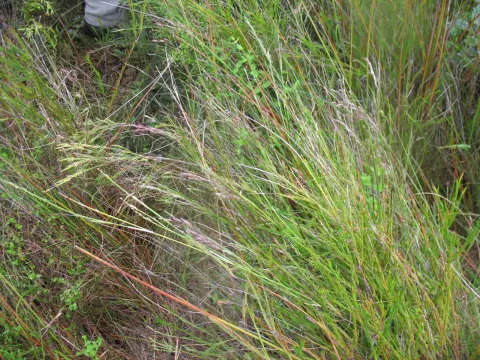
Botanically, Danthonia paradoxa is characterized by its tufted growth form, narrow leaf blades, and specialized flowering structures. A significant biological adaptation is its tendency towards cleistogamy, where flowers remain closed and self-pollinate. This strategy ensures seed production even when environmental conditions are unfavorable for open flowering.
From an agronomic perspective, the plant requires well-drained soils and shows excellent adaptation to moderate soil pH levels. Successful cultivation involves managing grazing pressure to prevent overgrazing, which can degrade the stand. It is relatively resistant to common cereal diseases, although monitoring for rust or leaf spot is advisable during high-humidity periods.
The primary agricultural use of this culture is in the livestock industry as a high-quality forage grass. It is particularly valued in pasture improvement projects where long-term cover and consistent yield are required. Furthermore, it serves as a valuable component in soil conservation strategies, helping to prevent erosion on slopes due to its extensive root system.
- Excellent tolerance to diverse soil types.
- Superior survival strategy via cleistogamy.
- Strong potential for erosion control.
- Nutritional value for grazing livestock.
Photo gallery