Poverty oatgrass
Danthonia spicata (L.) P. Beauv. ex Roem. & Schult.
Description
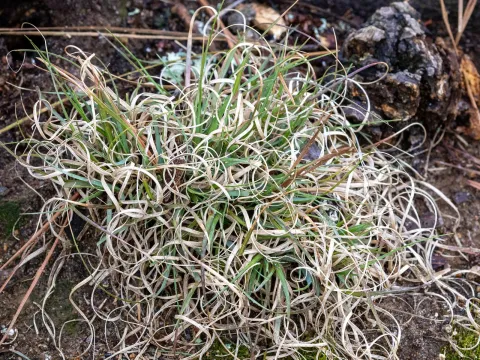
Poverty oatgrass (Danthonia spicata) is a hardy perennial grass species belonging to the family Poaceae. Naturally occurring in North America, this plant is recognized for its ability to thrive in nutrient-poor and dry soils, earning it the common name "poverty" grass due to its adaptation to harsh conditions.
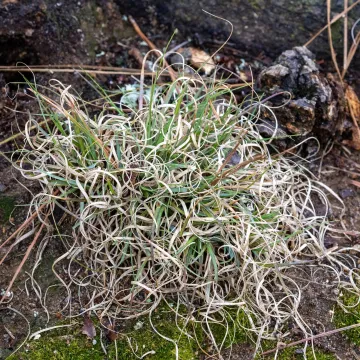
The botanical structure of the plant features dense tufts of narrow, curling leaves. Its height typically ranges from 20 to 50 centimeters. A distinguishing feature is the production of both chasmogamous flowers (open for cross-pollination) and cleistogamous flowers (hidden and self-pollinating), which ensures seed production even in less-than-ideal environmental circumstances.
In terms of climatic and soil requirements, Danthonia spicata is highly versatile. It prefers full sun and is exceptionally well-suited for acidic, rocky, or sandy substrates where many other commercial grasses would struggle. Agronomic management is minimal, as the species requires little irrigation and virtually no fertilizer to maintain its population density.
The primary use of this grass lies in rangeland management and ecological restoration. It serves as a reliable forage source for livestock in extensive grazing systems, especially during early spring when it provides essential nutrients before other vegetation matures. Furthermore, its root system makes it an excellent choice for soil stabilization projects to prevent erosion on embankments.
While the plant is quite robust, it can be susceptible to common grass pathogens. Growers should monitor for typical fungal diseases such as rusts, which might occur during prolonged periods of high humidity. Insect pressure is generally low, as the plant's tough, fibrous texture and nutrient-conserving biological strategy make it less attractive to generalist herbivores.
Photo gallery