Alpine daphne
Daphne alpina
Description
The Alpine daphne (Daphne alpina) is a deciduous, low-growing shrub representing the Thymelaeaceae family. It is prized among horticulturists for its compact habit and its ability to thrive in demanding, limestone-rich environments, making it a perfect candidate for rock gardens and specialty landscaping.
Native to the mountain ranges of Central and Southern Europe, this species has adapted to rocky, well-drained slopes at high altitudes. Its natural habitat is characterized by poor soil quality and high sunlight, which has resulted in the plant's remarkable hardiness and ability to tolerate diverse weather conditions.
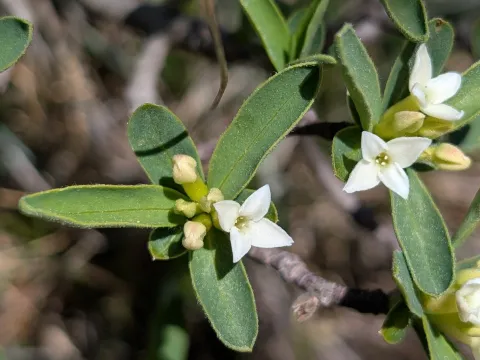
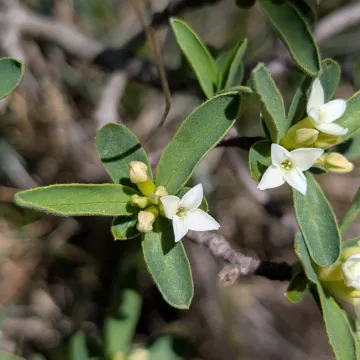
Botanically, the plant is recognized by its small, grey-green leaves and clusters of fragrant white or creamy flowers that bloom in late spring. The plant grows slowly, often reaching a height of less than half a meter, which allows it to maintain its architectural shape without the need for aggressive pruning.
Cultivation success depends on providing conditions that mimic its wild environment: alkaline soil with excellent drainage is mandatory. While it prefers sunny locations, it can benefit from light afternoon shade in hotter climates. Adequate air circulation is crucial to prevent fungal issues, particularly in high-humidity areas.
The primary use of Daphne alpina is ornamental, serving as an eye-catching focal point in alpine settings. It is essential to note that all parts of this plant contain poisonous alkaloids. Gardeners should wear protective gloves during handling to avoid skin irritation. Monitoring for common pests like aphids and ensuring soil chemistry remains basic will ensure plant longevity.
- Requires well-drained, lime-based soil.
- Thrives in full sun to partial shade.
- Highly frost-hardy (USDA zones 5-7).
- Caution: Toxic plant, handle with care.
Photo gallery