
Daphne gnidioides
Daphne gnidioides
Description
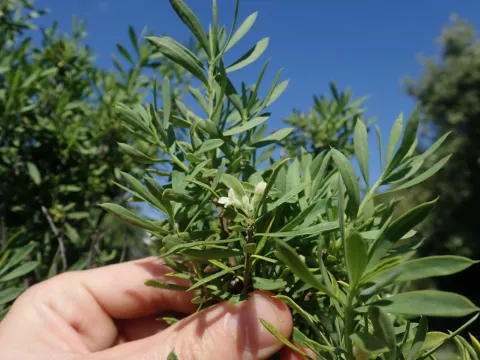
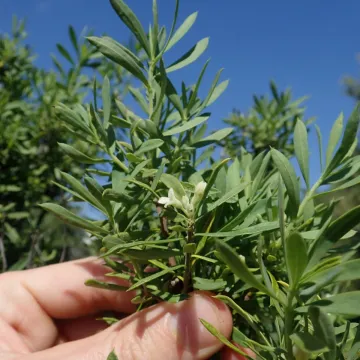
Daphne gnidioides is an evergreen perennial shrub belonging to the Thymelaeaceae family. It is a distinctive member of the genus Daphne, recognized by its specific leaf shape and elegant habit. This species is highly valued in horticulture for its ornamental features, particularly its dense structure and the pleasant fragrance released during the flowering season.
The plant originates from the Eastern Mediterranean regions, where it naturally occurs on rocky terrain and limestone-rich soils. Its geographical distribution reflects an adaptation to warm, temperate climates with distinctive dry and wet cycles. Due to these evolutionary origins, the plant has specific physiological needs that must be replicated in cultivation to ensure its longevity.
Botanically, Daphne gnidioides is characterized by its heavily branched stems and narrow, dense foliage. The small flowers are grouped in terminal clusters, providing a visually appealing contrast against the dark green leaves. As a slow-growing plant, it requires minimal pruning but benefits from careful placement to maintain its natural, compact shape.
A successful cultivation strategy requires well-drained, slightly alkaline, or neutral soil. The most significant challenge in the agrotechnology of this species is preventing root rot caused by stagnant water. Therefore, creating a specialized substrate with excellent drainage properties is essential. Providing partial shade or dappled sunlight helps protect the plant from harsh summer heat, which can damage the leaves.
Host plant usage is primarily decorative, fitting well into rock gardens, xeriscapes, and Mediterranean-themed garden beds. Common pests include aphids, while fungal diseases are typically linked to improper irrigation. It is critical to handle the plant with care, as all parts contain toxic compounds that can be irritating to skin and harmful if ingested by humans or animals.
Photo gallery