Darlingtonia californica
Darlingtonia californica
Description
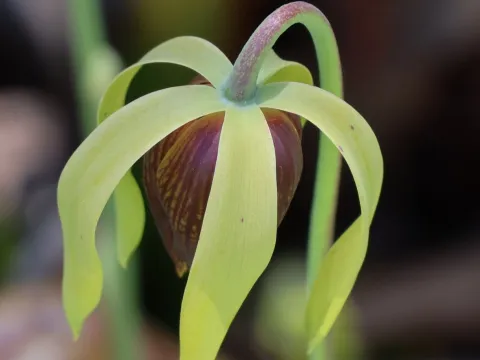
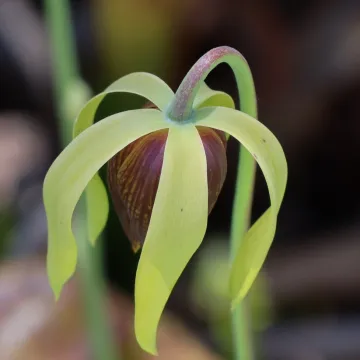
Darlingtonia californica, commonly known as the cobra lily, is a fascinating carnivorous plant species belonging to the Sarraceniaceae family. Unlike other pitcher plants that use digestive enzymes secreted by their own glands, this species relies heavily on symbiotic bacteria within its pitchers to break down captured prey. Its distinctive, cobra-like appearance has made it a prized specimen among plant enthusiasts worldwide.
The plant is native to Northern California and Oregon, primarily thriving in cold, nutrient-poor, and water-logged environments. In its natural habitat, it is frequently found near cold seeps and spring-fed mountain streams, which is a critical detail for successful cultivation. Understanding these natural ecological requirements is the key to maintaining this plant outside of its wild range.
Botanically, the plant consists of a basal rosette of tubular leaves that serve as highly specialized passive traps. The hood of the leaf contains translucent spots, known as fenestrations, which function as false exits to confuse prey. Once an insect lands near the nectar-rich opening, it inevitably falls into the fluid-filled chamber below, from which escape is rendered impossible by downward-pointing hairs.
Successful agricultural management of Darlingtonia californica depends entirely on root zone temperature control. High soil temperatures are lethal to this plant, often leading to rapid root rot. The potting medium must be inorganic, typically a mix of live sphagnum moss, perlite, and pumice, which allows for perfect drainage while maintaining consistent moisture.
- Use only distilled or reverse osmosis water.
- Provide a significant day-to-night temperature drop.
- Ensure constant air circulation around the root zone.
While Darlingtonia californica is not an agricultural food crop, it holds value in the nursery and decorative horticultural sector. Common threats to its health include fungal pathogens triggered by poor ventilation and common greenhouse pests like aphids and spider mites. Due to its sensitivity, it is considered an advanced-level specimen that requires strict environmental monitoring to thrive long-term.
Photo gallery