Datisca cannabina
Datisca cannabina
Description
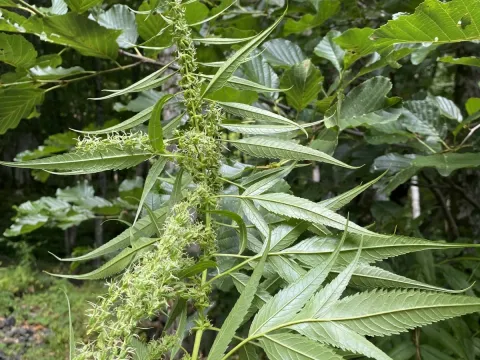
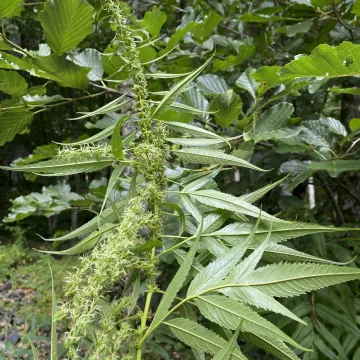
Datisca cannabina, commonly known as the hemp-leaved datisca, is a perennial herbaceous plant belonging to the Datiscaceae family. It is characterized by its tall, erect stems and distinctive compound leaves that bear a striking resemblance to those of the hemp plant. This robust perennial can reach heights of up to 2 meters under favorable growing conditions.
The plant is native to the temperate regions of Asia, specifically occurring across the Caucasus, the Himalayas, and Central Asia. In agricultural contexts, it prefers deep, well-drained soils and thrives in mountain or foothill environments. Its hardiness allows it to persist in regions with varied climates, provided there is adequate access to moisture during the growing season.
Cultivation requires careful site selection and soil preparation. The seeds are typically sown in early spring. As the plant develops a deep root system, it is essential to ensure that the soil remains loose to allow for proper expansion. Although it is a relatively low-maintenance crop, providing irrigation during extreme dry spells significantly improves biomass production for future processing.
The primary economic value of Datisca cannabina lies in its application as a source of natural pigment. The root system and foliage are rich in datiscin, a flavonoid that provides a high-quality, long-lasting yellow dye for textiles such as wool, silk, and cotton. Historically and currently, it is highly sought after for sustainable and organic dyeing practices in the textile industry.
While the plant is naturally resistant to many pests due to its chemical profile, growers should remain vigilant against soil-borne pathogens. Proper crop rotation and avoiding waterlogged soil are the best management practices to prevent root rot. Overall, the plant is considered a hardy and reliable technical crop with minimal specialized disease management requirements.
Photo gallery