
Rose Datura
Datura rosei
Description
Rose Datura (Datura rosei) is a distinct species belonging to the Solanaceae family. Often studied for its unique chemical profile, it serves as a specialized crop in certain regions. Like other members of the Datura genus, it is a significant source of tropane alkaloids, which are highly valued in the production of specific pharmaceutical compounds.
The plant is native to the high-altitude regions of Central America, primarily Mexico. Its natural environment is characterized by mild temperatures and specific daylight patterns, which influence its growth cycle. In agricultural settings, it requires similar conditions, making it a crop that thrives in mountainous or high-elevation temperate zones rather than in extreme heat.
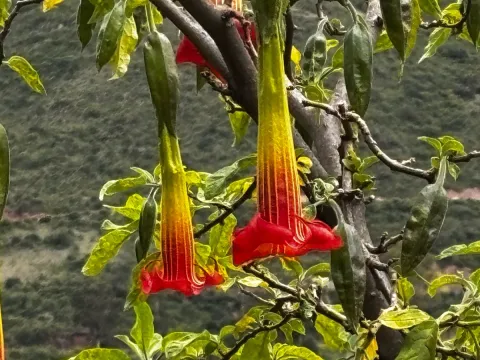
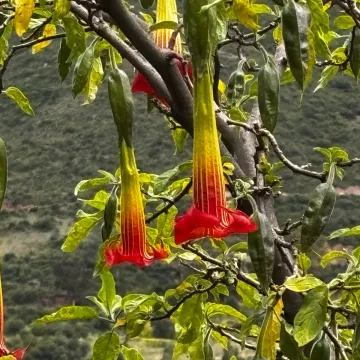
Botanically, Datura rosei is identified by its upright growth habit and showy, trumpet-shaped flowers, typically displaying shades of pink or rose. The leaves are broad and ovate, providing a large surface area for photosynthesis. The reproductive phase results in capsule-like fruits that encase the seeds, which are the most potent part of the plant regarding alkaloid content.
Agronomically, this crop requires well-drained, nutrient-rich soils with a slightly acidic to neutral pH. It is sensitive to excessive nitrogen, which can lead to rapid growth but lower alkaloid concentration, so fertilization must be balanced. Consistent soil moisture is necessary, but irrigation must be managed carefully to avoid crown rot, a common physiological issue in this species.
The primary economic value of Rose Datura lies in the extraction of raw materials for medicinal alkaloids. Cultivation challenges include managing pests such as aphids and spider mites, which can cause severe leaf damage. Fungal pathogens, including root rot and mildew, remain the most significant threats to yield, requiring strict adherence to crop rotation and soil sanitation practices.
- Optimized light exposure enhances alkaloid yield.
- Regular inspection for aphid infestations is mandatory.
- Soil pH monitoring is key to nutrient uptake.
Photo gallery