Jimsonweed
Datura stramonium L.
Description
Jimsonweed (Datura stramonium L.) is a prominent annual herbaceous plant belonging to the Solanaceae family. In agricultural practices, it is specifically cultivated as a medicinal crop, valued for its complex profile of tropane alkaloids, which are essential for pharmaceutical manufacturing.
Originally native to the Americas, this species has successfully naturalized across various global regions with temperate and warm climates. It is widely recognized not only as an agricultural commodity but also as a highly resilient species that thrives in disturbed soils and favorable environmental conditions.
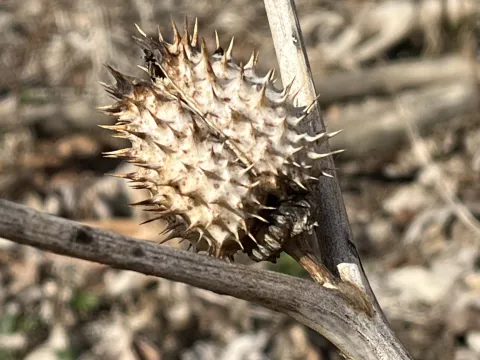
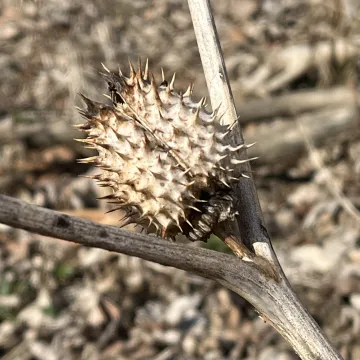
The plant features a robust, branching stem that can reach heights of over one meter. Its leaves are broad, jagged, and emit a distinct scent when damaged. The plant is easily identifiable by its large, white, trumpet-shaped flowers that bloom in the evening, eventually developing into spiny, seed-filled capsules upon maturation.
Cultivation requires fertile, well-draining soil and a sunny location to maximize alkaloid development. Proper agronomy involves precise seed sowing, managing weed competition during early growth stages, and ensuring adequate hydration. Because the plant is highly nitrogen-responsive, balanced fertilization is key to achieving optimal biomass yields.
Industrially, jimsonweed is harvested primarily for its leaves and seeds, which serve as the raw material for synthesizing scopolamine and atropine. These compounds are vital in modern medicine for treating spasms, asthma, and various neurological conditions. Given its high toxicity, stringent handling protocols are necessary during harvest and processing to ensure worker safety.
- Requires fertile, nitrogen-rich soil for best growth
- High sensitivity to frost and cold temperatures
- Susceptibility to potato beetles and aphids
- Potential for fungal infections in humid, damp environments
- Essential need for protective gear during harvesting
Photo gallery