
Mountain carrot
Daucus montanus
Description
Mountain carrot (Daucus montanus) is a herbaceous perennial plant belonging to the Apiaceae family. It is a distinct species characterized by its adaptation to alpine and sub-alpine environments, where it has evolved to thrive in soils and climates that are generally unsuitable for common domesticated carrot varieties.
The plant originates from the high-altitude regions of Mexico and Central America. It typically inhabits rocky terrains and mountainous meadows at significant elevations. Its distribution is restricted by the need for well-drained, nutrient-poor, yet mineral-rich substrates that mimic the natural volcanic or stony soils of its native habitat.
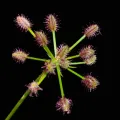
From a botanical perspective, Daucus montanus features a deep taproot designed for nutrient storage during dormant periods. The foliage is finely divided and often covered in trichomes to mitigate transpiration. It produces complex umbels with small white flowers, which are highly efficient at attracting native pollinating insects in high-altitude ecosystems.
Regarding cultivation, this species requires specific environmental parameters to succeed. Agronomists emphasize:
- the importance of a high-drainage, stony or sandy soil profile;
- the need for significant ultraviolet exposure typical of high altitudes;
- cool night temperatures to stimulate root development and quality.
While not a major commercial crop, Daucus montanus holds interest for researchers as a source of wild germplasm. It faces typical threats such as carrot rust fly infestations and fungal pathogens like powdery mildew. Effective management involves integrated pest control strategies that prioritize preventative measures rather than excessive use of chemical interventions in this sensitive alpine species.
Photo gallery