Bristle-leaved carrot
Daucus setifolius
Description
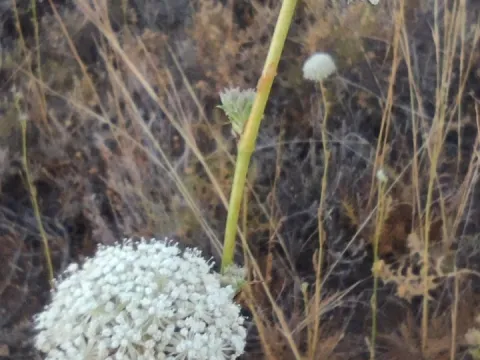
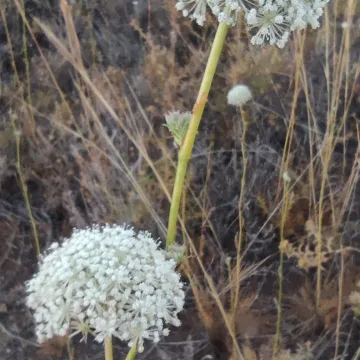
Bristle-leaved carrot (Daucus setifolius) is a unique botanical species belonging to the Apiaceae family. While closely related to the common domesticated carrot, this species possesses distinct morphological characteristics that set it apart, making it an object of interest for both researchers and niche horticulturalists.
The plant originates from the Mediterranean region, where it has historically adapted to specific environmental niches. Its natural distribution is tied to climates with well-defined seasonal cycles, requiring ample solar radiation and specific soil drainage patterns to thrive and complete its reproductive cycle effectively.
Botanically, Daucus setifolius is characterized by its thin, bristle-like leaf segments that minimize water loss and provide protection against environmental stress. The root system is generally fibrous and deep, allowing the plant to reach moisture reserves in deeper soil layers, which is a key adaptive strategy for this species.
Cultivation requires careful attention to soil texture; it prefers well-aerated, sandy or loamy soils. Excessive organic matter or poor drainage can be detrimental to the development of the taproot. Agronomic management involves timely weeding, as the species does not compete well with aggressive weeds during the initial stages of its establishment.
Regarding хозяйственное use, it serves as a valuable genetic resource for crop improvement and potentially for specific local culinary applications. Management of pests and diseases is crucial for successful cultivation, focusing on these main challenges:
- Carrot rust fly larvae targeting the roots.
- Aphids during periods of rapid foliage growth.
- Fungal diseases like Cercospora blight, which occur under high humidity conditions.
Photo gallery