Davilla kunthii
Davilla kunthii
Description
Davilla kunthii is a robust perennial vine belonging to the Dilleniaceae family. Known for its climbing growth habit, it is a significant component of tropical rainforest ecosystems, where it utilizes host trees to reach the canopy. The plant is structurally adapted for climbing, with tough, woody stems that provide support and efficient transport of nutrients.
The origin of this species is traced to the tropical regions of Central and South America. It is widely distributed across the Amazon basin and neighboring tropical zones. This plant thrives in environments characterized by high humidity, abundant rainfall, and consistently warm temperatures, typical of tropical lowland forests where it forms dense, tangled thickets.
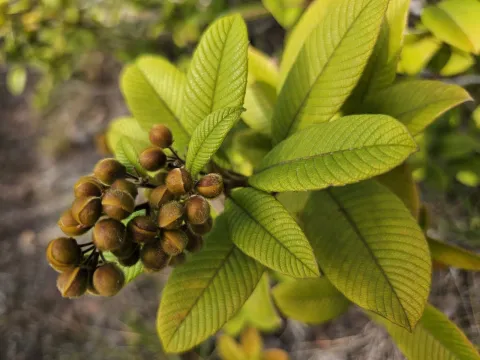
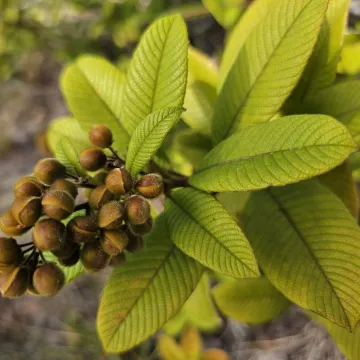
Botanically, Davilla kunthii features simple, alternate leaves that are often rough or scabrous in texture. The flowers are typically bright yellow, presenting in clusters that bloom in response to seasonal changes in photoperiod or precipitation. Its reproductive strategy includes the production of seeds that are dispersed primarily by wind or small fauna inhabiting the forest strata.
Regarding cultivation requirements, the plant demands well-drained, nutrient-rich, and slightly acidic soils. It is highly sensitive to frost and waterlogging. In a controlled agricultural or botanical setting, it requires vertical support structures to facilitate natural growth. Soil moisture must be consistent, as prolonged dry spells can lead to leaf abscission and reduced photosynthetic efficiency.
Economic and practical applications include several key areas:
- Ethnobotanical use of extracts for their potential anti-inflammatory properties.
- Use of fibrous stems in traditional weaving and construction of small rural structures.
- Potential investigation of its chemical profile for pharmacological research.
The plant is susceptible to common tropical pathogens, including fungal infections of the roots during excessive rainy periods. Pests such as aphids and leaf-eating beetles can cause significant damage in dense plantations. Effective management involves monitoring for early signs of infection, maintaining optimal spacing for airflow, and implementing integrated pest management practices.
Photo gallery