Water willow
Decodon verticillatus
Description
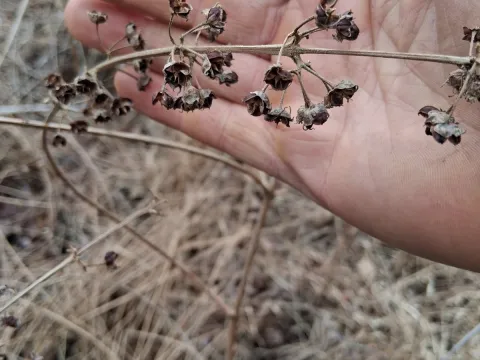
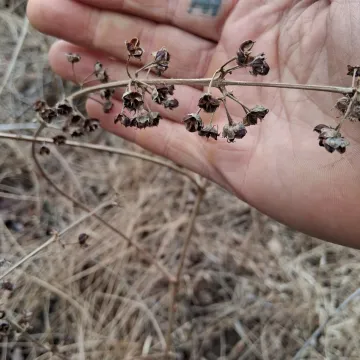
Water willow (Decodon verticillatus) is a perennial shrub belonging to the Loosestrife family (Lythraceae). It is a highly specialized plant adapted to living in aquatic and semi-aquatic environments, often forming dense colonies along the margins of ponds and streams.
The species is native to North America, widely distributed across the eastern and central regions of the United States and Canada. Its natural habitat includes marshes, swamps, and the edges of lakes, where it thrives in hydric soils that remain saturated or submerged for most of the year.
Botanically, the plant is characterized by its long, arching stems that often reach lengths of up to 2 meters. The lanceolate leaves are arranged in whorls, typically in groups of three. During the summer, it produces clusters of vibrant pink to magenta flowers, which attract pollinators and enhance the aesthetic value of the shoreline.
Successful cultivation requires consistent moisture and rich, organic soil. It is an excellent choice for water gardens and bioengineering projects due to its ability to stabilize shorelines and prevent soil erosion. It can be planted in shallow water or in damp soil conditions, showing great resilience once established.
In terms of maintenance, this species is relatively robust and rarely troubled by serious pests or diseases. However, growers should monitor for signs of leaf spot or fungal issues if the air circulation is poor or if the plants are overly dense. Proper site selection in a sunny area ensures optimal growth and health.
Photo gallery