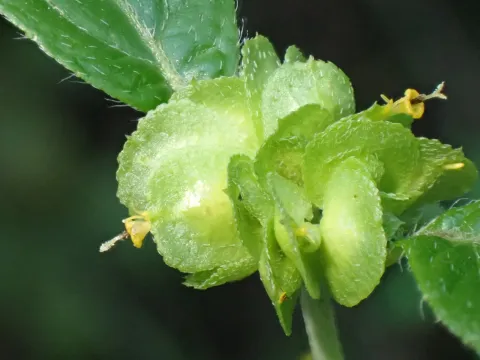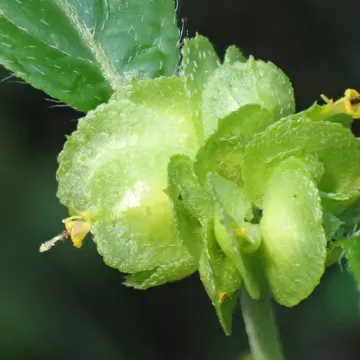
Delilia biflora
Delilia biflora
Description
Delilia biflora is an herbaceous annual plant belonging to the Asteraceae family. While not a conventional staple crop in large-scale agriculture, it is a significant species in tropical and subtropical ecosystems, where it often plays a role in local biodiversity and is monitored by agronomists as a potential agricultural weed.
The origin of this species is traced to the tropical regions of the Americas. Its natural habitat includes open fields, road verges, and agricultural fringes. The plant is well-adapted to high-temperature environments and exhibits a rapid growth cycle, allowing it to colonize disturbed soils efficiently before other species can establish themselves.
Botanically, Delilia biflora is characterized by a branched stem and opposite leaf arrangement. Its inflorescences consist of small flower heads containing distinct fertile flowers, which is the primary trait defining its botanical classification within the genus. The plant is resilient and capable of adjusting its physiological processes based on water availability.
Cultivation requirements involve high solar radiation and well-drained, nutrient-rich soils. Agronomic practices for managing this species focus on soil aeration and weed control in areas where it poses a risk to primary crops. Regular monitoring of the soil moisture levels is essential, as the plant does not tolerate waterlogging and may develop root rot in heavy, compacted soils.
In terms of economic use, the species is mainly studied for its biological properties and potential medicinal compounds. Farmers and researchers often encounter challenges such as susceptibility to common pests like aphids and whiteflies. Controlling these populations is critical to maintaining plant health, especially in protected or garden settings where the species may be cultivated for research purposes.
Photo gallery