
Delphinium crispulum
Delphinium crispulum
Description
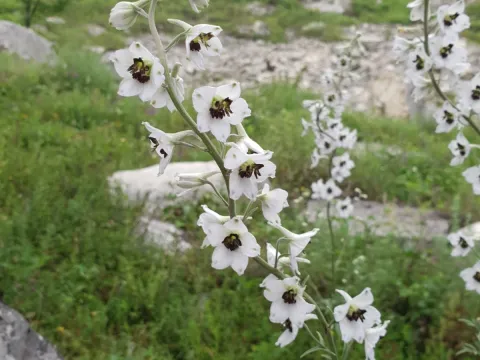
Delphinium crispulum is a perennial herbaceous plant belonging to the Ranunculaceae family. It is distinct due to its unique leaf morphology, which features wavy or curled margins, distinguishing it from other species within the Delphinium genus. This plant is known for its complex chemical composition, which has garnered interest both in specialized botanical studies and in traditional applications.
Originating from mountainous regions in Central Asia, the species has evolved to thrive in environments with distinct seasonal variations. In agricultural settings, it is typically cultivated in well-drained, fertile soils that mimic its native rocky habitat. It is essential to ensure that the site has optimal sunlight exposure to facilitate uniform growth and prevent the elongation of stems due to light deficiency.
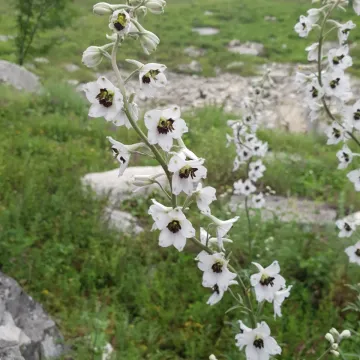
Botanically, the plant develops sturdy, upright stalks covered in deeply lobed leaves with the characteristic crispate appearance. Its inflorescences are dense, terminal racemes that provide aesthetic value during the peak summer bloom. The root system is deep and fibrous, which helps the plant stabilize itself in varying soil structures and maintain moisture uptake during dry spells.
Cultivation requirements for Delphinium crispulum prioritize site selection and soil management. It prefers neutral to slightly alkaline pH levels and requires deep cultivation before planting to ensure proper root penetration. Regular maintenance, including the removal of spent flowers and proper fertilization during the early stages of growth, is necessary to achieve high yields of biomass or to maintain its ornamental quality.
The plant is utilized both in the pharmaceutical industry, due to its alkaloid content, and in professional landscaping. Because Delphinium species are generally toxic, appropriate caution should be exercised during harvest and handling. Proper protective equipment is recommended to prevent skin irritation or accidental ingestion, ensuring safe management of the crop throughout its life cycle.
- Propagation: Seeds or division.
- Soil type: Sandy or loamy, well-drained.
- Moisture: Consistent but not waterlogged.
- Disease management: Fungicides for mildew.
- Pest control: Monitoring for aphids and mites.
Photo gallery