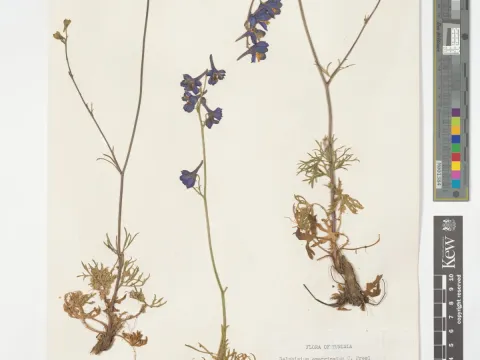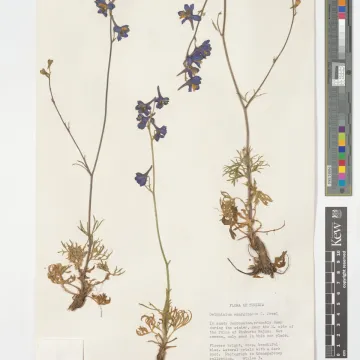
Delphinium emarginatum
Delphinium emarginatum
Description
Delphinium emarginatum is a perennial herbaceous plant belonging to the Ranunculaceae family. Known for its distinct floral structure and ability to thrive in rugged mountainous terrains, it represents a specialized segment of ornamental floriculture that requires specific ecological knowledge for successful cultivation.
This species is native to the Iberian Peninsula, particularly Spain, where it inhabits rocky slopes and alpine meadows. Its origin defines its hardiness and preference for specific microclimates. In agricultural and horticultural contexts, it is primarily grown for its aesthetic value in alpine gardens and rockeries, rather than for industrial consumption.
Botanically, Delphinium emarginatum is characterized by its deeply divided foliage and unique flowers with notched petals, from which its Latin name is derived. The root system is robust and adapted to rocky substrates, allowing the plant to survive in conditions where other species might struggle due to limited moisture or nutrient availability.
Successful cultivation requires attention to soil composition; the soil must be well-drained, sandy, or loamy, with a neutral to slightly alkaline reaction. The plant prefers full sun to light shade and requires minimal but consistent irrigation during the growing season. Proper spacing is essential to ensure adequate airflow, which is critical for maintaining plant health in humid conditions.
- Provide excellent drainage to prevent root rot.
- Ensure exposure to direct sunlight for optimal flowering.
- Apply mulch to stabilize soil temperature.
- Monitor for common pests like slugs and aphids regularly.
In terms of plant health, the species is susceptible to fungal diseases such as powdery mildew, especially if the planting site lacks proper ventilation. Pest control measures should focus on integrated pest management (IPM) techniques, including manual removal of pests and the application of targeted fungicides only when necessary to ensure the preservation of the plant's natural form.
Photo gallery