Fissured larkspur
Delphinium fissum
Description
Fissured larkspur (Delphinium fissum) is a perennial herbaceous plant belonging to the Ranunculaceae family. Known for its elegant morphology and striking floral displays, this species is a popular choice for both ornamental landscape development and ecological restoration projects in temperate regions.
The species originates from Southern and Central Europe and parts of Asia Minor. It thrives in open, sunny habitats with well-drained, nutrient-rich soils. Due to its Mediterranean heritage, it possesses a notable tolerance for moderate drought once established, making it a sustainable choice for many gardens.
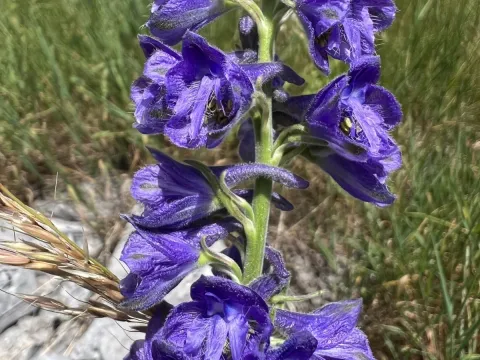
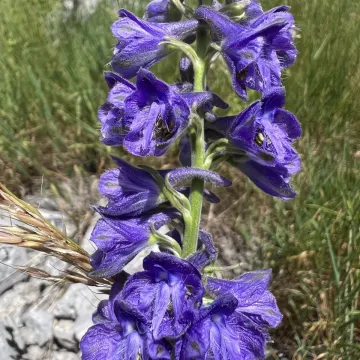
Botanically, Delphinium fissum is distinguished by its deeply divided, palmate leaves and tall, slender spikes of blue to violet flowers. The plant typically grows to a height of 50 to 100 centimeters. It relies on a strong rootstock to overwinter and regenerate foliage during the spring growing season.
Agronomic requirements emphasize the necessity of excellent soil drainage, as waterlogged conditions are fatal for the root system. Ideal soil pH ranges from neutral to slightly alkaline. Routine maintenance includes light fertilization during early spring and pruning of faded flower stalks to encourage potential secondary blooms and prevent energy depletion.
While primarily cultivated for aesthetic purposes, the plant’s chemical profile is of scientific interest. It is essential to note that all parts of the Fissured larkspur are toxic if ingested, necessitating careful handling and placement away from areas accessible to grazing livestock or children.
Common health issues that growers should monitor include:
- Powdery mildew which affects foliage during humid summers.
- Root rot occurring in heavy or compacted soils.
- Pest infestations such as aphids and slugs, which can damage succulent young leaves.
Photo gallery