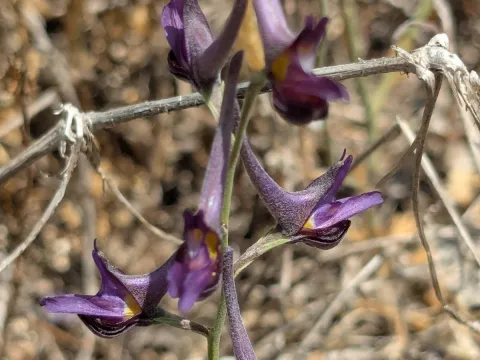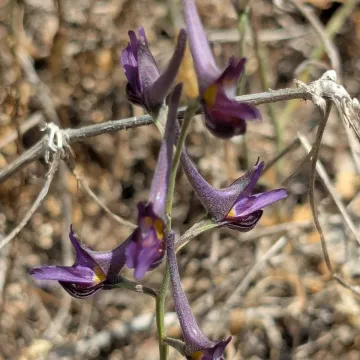
Delphinium hirschfeldianum
Delphinium hirschfeldianum
Description
Delphinium hirschfeldianum is a herbaceous perennial plant belonging to the Ranunculaceae family. As a distinct species, it is recognized for its unique morphological traits and ecological niche, making it a subject of interest for both botanical research and specialized ornamental cultivation.
The plant originates from the mountainous regions of Central Asia. Its natural habitat includes rocky slopes and alpine meadows, environments that have shaped its physiological resilience. In terms of distribution, it is primarily found in its native ranges, while its presence in cultivation is maintained by botanical gardens and specialist nurseries focusing on rare alpine flora.
Botanical features include a robust root system and a sturdy, upright stem covered with characteristically palmately-lobed leaves. The inflorescence is a dense, elegant spike that displays specific floral structures distinct from common garden hybrids. These adaptations allow the plant to withstand the challenging climatic conditions of its native elevation.
Agrotechnical requirements for this species focus on providing excellent soil drainage and exposure to full sunlight. The soil should be well-aerated, ideally a mix of loam and sand with a slightly alkaline pH. Proper care involves moderate irrigation, avoiding waterlogging, and applying mulch during extreme weather periods to protect the root zone from thermal stress.
The primary agricultural and economic use of this plant is within the horticulture sector, specifically for ornamental landscape design, including rock gardens and alpine beds. Due to its relative rarity, it serves as a valuable genetic resource for breeders aiming to develop new, drought-tolerant, and structurally stable Delphinium varieties for global garden markets.
- Disease Management: Ensuring adequate air circulation to prevent fungal pathogens.
- Pest Control: Monitoring for common garden pests such as aphids and leaf-eating beetles.
- Nutrient Management: Applying balanced fertilizers during the early spring growth phase.
Photo gallery