Delphinium puniceum
Delphinium puniceum
Description
Delphinium puniceum is a perennial herbaceous plant belonging to the Ranunculaceae family. Known for its distinct structural characteristics, this species serves as a valuable specimen in specialized horticultural collections. Its biological cycle is strictly adapted to regions with intense solar activity and specific soil compositions characteristic of its native habitat.
The plant originates from the arid mountain zones of Central Asia. Its natural range is defined by rocky soils and open terrain where it has evolved high tolerance to drought. These geographical origins dictate the cultural requirements of the plant, specifically the need for excellent soil drainage and exposure to direct sunlight throughout the vegetative season.
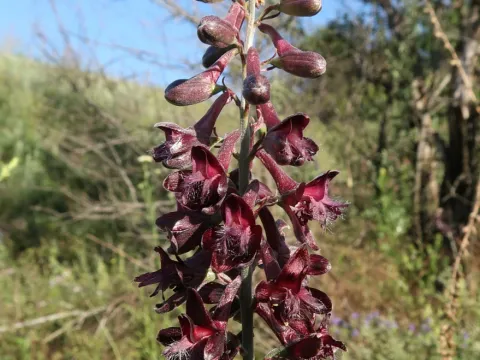
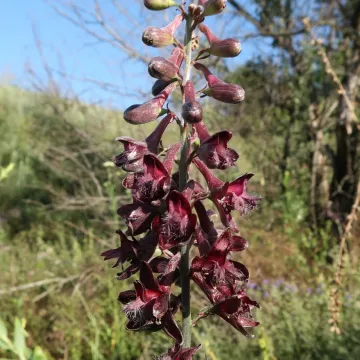
Morphologically, the plant features a robust, pubescent stem and deeply dissected leaves. Its inflorescences are dense, showcasing unique petal structures adapted to specialized pollinators. The root system is primarily taproot-based, allowing the plant to reach deep moisture reserves, which is a critical evolutionary adaptation for survival in its arid home environment.
Agrotechnical management requires precise soil preparation, focusing on alkaline or neutral pH levels to prevent root decay. Over-fertilization, especially with nitrogen, should be avoided as it can weaken the stem and increase susceptibility to environmental stress. Irrigation must be managed carefully, with a focus on watering the soil rather than the foliage to prevent fungal outbreaks.
- Monitor for powdery mildew and rust.
- Implement mechanical weed control to reduce competition.
- Ensure proper spacing to allow for airflow.
- Use appropriate fungicides if environmental conditions favor disease.
Economically, this species is utilized in high-end landscape design for its structural beauty and as a botanical resource for research. Due to its chemical composition, it is classified as a toxic plant, requiring careful handling during propagation and maintenance. Common pests include spider mites and aphids, which can be managed through integrated pest control programs.
Photo gallery